

Every mom knows kids’ safety comes first. Whether going on a family road trip or rushing to a school drop-off, most moms deal with a packed minivan. No matter if it’s a short drive or a road trip, having kids happy and ruly during the time spent in the car is every mom’s goal.
Snacks and entertainment keep everyone happy in the backseat, but your tires’ grip, handling, and braking power are what keep your family safe. With so many things to worry about, few remember to check their tires regularly. If you’re a mom who wants to make sure the all season tires on your family vehicle are up to the job, keep reading.
Are All-Season Tires Right for Your Family?
There are plenty of reasons all season tires are the most common choice in the United States. They are designed to handle dry, wet, and light winter conditions while they remain flexible across shifting temperatures. With plenty of school runs, errands, commuting, and family outings, all season tires are considered quite useful for everyday driving in changing weather.
Whenever you are purchasing new tires, keep in mind your driving habits, local climate, and the vehicle manufacturer’s recommendations. How you drive determines how your tires wear out, and temperature affects their grip. The manufacturer sets up the vehicle’s anti-lock brakes and stability control around the tire specifications, so installing the wrong size tires can compromise emergency braking and handling.
While all season tires are designed for a range of conditions, they cannot guarantee safe driving in every season. If you live in a region with severe winter weather, opt for winter tires. They are specifically designed to provide reliable ice and snow traction and a compound that stays flexible even in freezing temperatures.
The Three Tire Checks Every Mom Should Know
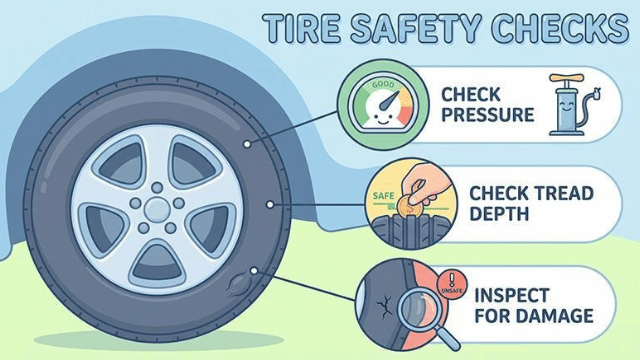
Instead of taking your vehicle to the professional straight away, find five to ten minutes while the kids are in school to inspect the tires. Start by checking the pressure, and always do it when the tires are cold. Considering tires lose air naturally, you should check the pressure on a monthly basis. You can find your vehicle’s recommended tire pressure on the driver’s side door jamb and in the owner’s manual.
Next, inspect the tread. Tread condition is important because it helps grip the road, especially in wet conditions. If you’re not sure what you’re looking for, do the penny test. Position the penny upside down so that Abraham Lincoln’s head points downward and faces towards you. Insert the penny into the deepest part of the tread groove between the rubber ribs. If the tread hides any part of Lincoln’s hair, the tire is still legally drivable. If you can see the top of Lincoln’s head or the rim above his hair, the tire is worn out, unsafe, and needs replacement. Repeat this at the inner edge, center, and outer grooves of each tire. If one side exposes Lincoln’s face while the other does not, your vehicle has an alignment, balancing, or tire pressure issue.
Last, check the tires for visible damage. Carefully inspect the tires for cracks, bulges, cuts, and uneven wear. If anything looks unusual, a professional should inspect them.
Packing the Car? Don’t Forget About Tire Load
Whether you’re packing for a short trip from the store or heading on a family road trip, luggage, sports equipment, strollers, groceries, and extra passengers add weight to the vehicle, and automatically to the tires. The right tire size is important, while the load rating, which is the number printed on the side of your tire, tells you how much weight each tire can handle. While it might be tempting to add extra air to your tires to carry a bigger load, more air doesn’t make your tires stronger. It can actually affect your driving safety, handling, and grip. It is important to stick to the tire pressure recommended by your vehicle manufacturer. If you’re not sure what your vehicle’s weight limits are, check the owner’s manual or the door-jamb label to confirm. Always pack smart and within your vehicle’s limits.
When Should You Replace Your Tires?
As you’re planning your family’s next adventure, take the time to check your tires as advised above. If the penny test shows the tread is worn too low or uneven, it’s time to replace your tires. The same standard applies if you notice any cracks, bulges, or other physical damage. You might have even noticed that your tires lose pressure repeatedly, make unusual noises, or cause strange vibrations while driving. Even if they appear to be in pristine condition, their age alone necessitates replacement. It’s a simple fact that tires don’t last forever, and their replacement timing genuinely depends on their condition and the manufacturer’s guidelines. If you are not sure if your tires need replacing, have a professional inspect them.
Your Five-Minute Pre-Trip Tire Checklist
While you are making the list for your next trip, add a short checklist that includes your tires as well. This list should cover inspecting the tires for obvious physical damage and worn or uneven tread. Don’t forget to check the tire pressure, and once it’s time to pack, don’t overload your vehicle. As you are checking your regular tires, inspect the spare too and make sure your roadside assistance plan is accounted for. Remember, while you can visually examine your tires, that does not replace a reliable pressure measurement or professional inspection.
A Little Prep Goes a Long Way
Between school runs, packing lunches, and extracurricular activities, tire maintenance often drops to the bottom of the to-do list. However, you don’t have to be an expert to check your tires and care for them. It’s about getting the right tires for your local driving conditions, while making sure you are well prepared for everyday journeys.
Use a simple pressure gauge, run the penny test, and check the age stamped on the tire – it takes less than ten minutes. If you’re planning to take your little ones on a family road trip this weekend, check your tires today and give yourself peace of mind.


