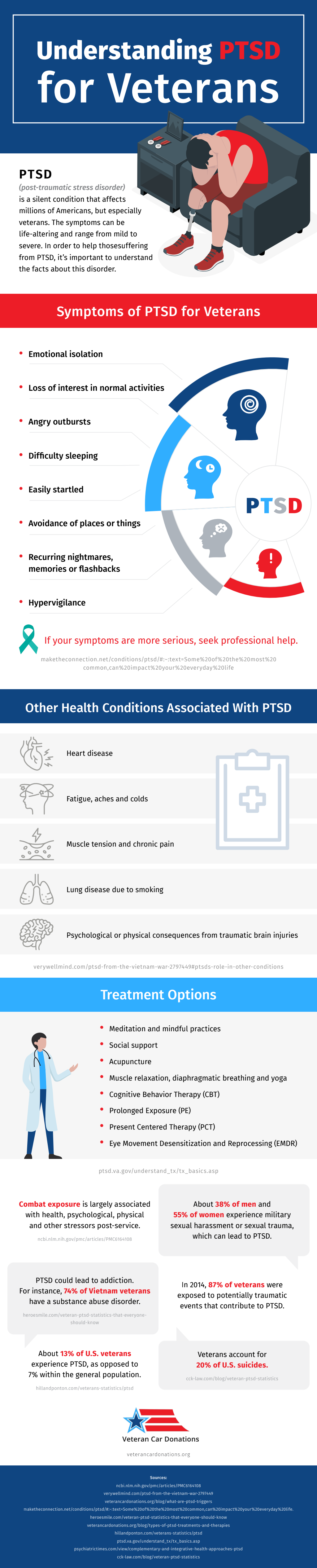
Post-traumatic stress disorder affects many veterans long after their military service ends. Families often see the impact first, especially when emotional changes, sleep disruptions, or withdrawal appear unexpectedly. PTSD can be confusing. Learning the basics makes it easier to recognize signs and support loved ones.
Recognizing Common Symptoms
PTSD develops when the brain has difficulty recovering from traumatic events. Veterans may experience intrusive memories, nightmares, or sudden flashbacks triggered by sounds, smells, or stressful situations. Heightened irritability, trouble concentrating, or feeling constantly “on alert” are also common. Some veterans avoid social gatherings. These behaviors are not personal choices, but signs that their nervous system is working overtime.
The Impact on Daily Family Life
PTSD affects more than emotional well-being. Sleep disruptions can lead to fatigue, which increases irritability or forgetfulness during the day. Hypervigilance may make veterans feel unsafe in ordinary environments, creating tension during routines as simple as grocery shopping or attending family events.
Supportive Steps Families Can Take
Professional treatment plays a central role in recovery. Therapy options include cognitive behavioral therapy, exposure-based approaches, and group programs specifically for veterans. Medical providers can also help address sleep issues or anxiety that interfere with daily life. Families should encourage treatment without pressure and celebrate small signs of progress.
At home, predictable routines and calm communication help create a sense of safety. Reducing loud noises and discussing triggers can ease tension. Patience remains essential. Loved ones benefit when the household approaches PTSD as a shared challenge rather than an individual struggle.
Building a Stronger Support Network
Veterans often feel isolated, so support from peers can make a meaningful difference. Local organizations, online groups, and VA programs connect veterans who share similar experiences. These communities help reduce stigma and give families additional guidance.
Parents who manage multiple responsibilities may also benefit from seeking support of their own. Everyday stress can pile up quickly when caring for a loved one with PTSD. Many caregivers describe the experience as trying to diagnose a problem without clear instructions, similar to sorting out car misfire reasons when you sense something is wrong but cannot pinpoint the source.
PTSD can affect families deeply, but supportive routines and care give veterans space to heal. With compassion and steady encouragement, families can help their loved ones rebuild confidence and participate fully in daily life. For more information, look over the accompanying infographic below.