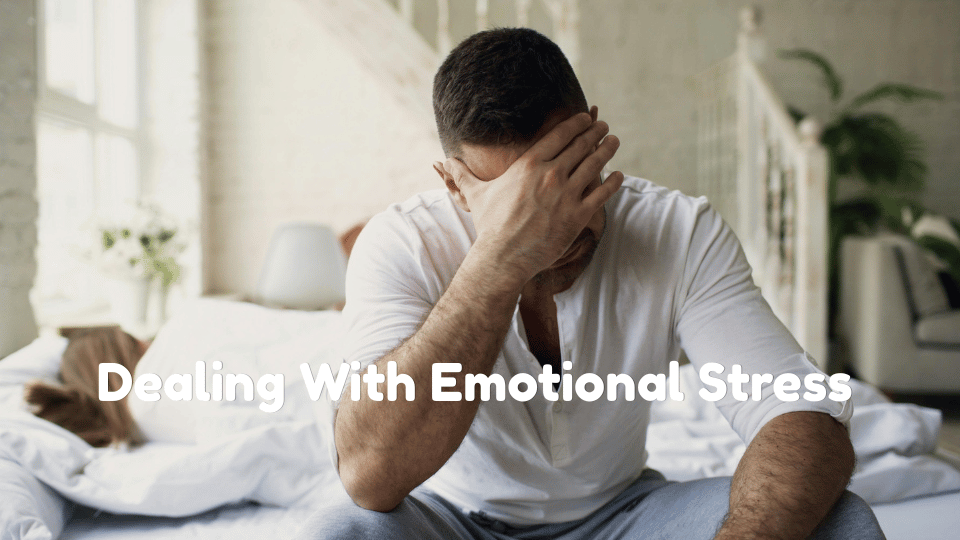
Watching someone you love struggle with anxiety or emotional stress can feel deeply disorienting. You want to help, but you don’t always know what that looks like – or whether your instinct to fix things is actually making it worse. Helping a partner through anxiety or emotional stress isn’t one technique. It’s an ongoing mix of listening well, adjusting your environment, and keeping your own mental health intact so you don’t burn out in the process. This article walks through each of those layers in plain, practical terms – no clinical jargon, no false promises, just clear guidance on what actually helps and what tends to backfire.
Understanding What Your Partner Is Going Through
Your first instinct matters enormously when your partner is anxious or emotionally overwhelmed. Knowing where to turn for help can be just as important as understanding what your partner is experiencing. For families navigating these challenges, access to mental health support throughout North Texas can provide a starting point for exploring local counseling options. Most partners want to help but don’t have the vocabulary to talk about what’s happening. That gap creates distance at exactly the moment when closeness is needed most. Before you can respond well, you need a clearer picture of what anxiety and emotional stress actually do to a person, not in abstract terms, but in how your partner moves through a given day. Anxiety isn’t just feeling worried. Emotional stress isn’t simply being tired. Both can warp perception, make ordinary decisions feel unbearable, and trigger physical symptoms that have nothing to do with a person’s character or strength. When you recognize that your partner’s reactions make sense given what’s happening inside them, it changes how you show up entirely.
Anxiety vs. Emotional Stress: What Sets Them Apart
Anxiety and emotional stress look similar from the outside, but they work differently. Emotional stress is usually tied to a specific source – a demanding job, a family conflict, financial pressure – and it tends to ease when that source resolves or shrinks. Anxiety is less predictable. It often persists even after the triggering situation has passed, attaches to new concerns, and can include physical symptoms like chest tightness, disrupted sleep, and a racing heart that have no obvious cause. According to the American Psychiatric Association, anxiety disorders are the most common mental health condition in the United States, affecting roughly 30 percent of adults at some point in their lives. Knowing the difference matters because your approach shifts depending on which one your partner is dealing with. Stress often responds to practical problem-solving and rest. Anxiety, by contrast, frequently requires a different kind of support, one that focuses less on solving and more on steadiness and presence.
Why Partners Often Feel Helpless
Helplessness is one of the most common things partners describe when they talk about supporting someone through anxiety or emotional stress. You suggest ideas, and your partner either can’t act on them or feels worse for being handed “homework.” You give space, and they feel abandoned. You try to stay close, and they feel smothered. This cycle happens because anxiety and stress interfere with a person’s ability to receive support the way it’s intended; their nervous system is already stretched, so even well-meaning input can land as pressure. The most honest thing to understand is that the helplessness you feel isn’t your failure. It’s a signal that your partner needs something other than advice. What they need most is for you to stay regulated and present while they work through what’s happening, rather than someone rushing to fix the situation before they’ve felt fully heard.
Practical Ways to Support a Partner Dealing With Anxiety or Emotional Stress
Knowing your partner needs support and knowing what that support looks like are two separate problems. Plenty of people care deeply and still end up making their partner feel more stressed by accident, talking too much, asking “are you okay” every hour, or pushing them to open up before they’re ready. Practical support doesn’t mean grand gestures. It means small, consistent behaviors that signal safety and predictability to someone whose nervous system is in overdrive. The goal is to become a calm, steady presence rather than another variable your partner has to manage emotionally.
Listen Without Jumping to Answers
One of the clearest research-backed findings in couples communication is that partners who feel heard report lower stress levels than those who receive more advice, according to research published by the Journal of Social and Personal Relationships. Your partner’s anxiety or stress isn’t a puzzle to solve. It’s an experience they need to express without being redirected. In practice, that means asking open questions – “What’s been weighing on you most?” – rather than leading ones like “Have you tried going to bed earlier?” It means staying quiet when silence feels uncomfortable, because that silence is often where your partner finds the words they actually need. You don’t have to fully understand the anxiety to validate it; “that sounds exhausting” does more than “here’s what I’d do.” And resist the urge to correct their perception of a situation. Their perception is the reality they’re living in right now, and arguing with it rarely helps.
Build Daily Habits That Reduce Tension at Home
Your home environment sends constant signals to your partner’s nervous system. Unpredictability, clutter, noise, and unresolved conflict all act as low-grade stressors that add up on top of whatever your partner is already carrying. Small, deliberate changes can make the shared space feel safer without requiring your partner to ask for accommodations. Consider:
- Setting a loose daily rhythm for meals and sleep so your partner has predictable anchors to the day
- Keeping conflict conversations for times when neither of you is hungry, tired, or mid-task
- Lowering background noise levels in shared spaces, particularly in the evenings
- Checking in once – rather than repeatedly – so your partner doesn’t feel monitored
None of these require a major lifestyle overhaul. But each one removes a small source of friction from your partner’s day, and friction reduction matters when someone’s capacity is already stretched thin.
Conclusion
Learning how to help a partner who is dealing with anxiety or emotional stress is less about finding the right words and more about showing up consistently in the right ways. Understand what you’re dealing with before you react. Listen more than you advise. Build a home environment that signals safety rather than adds pressure. And don’t neglect your own mental health in the process – you can’t offer steady, patient support if you’re running on empty. If your partner’s anxiety or stress reaches a point where it significantly disrupts daily life or your relationship, encourage them to connect with a licensed therapist. Professional support isn’t a last resort; it’s one of the most effective tools available, and suggesting it thoughtfully is one of the most caring things a partner can do.