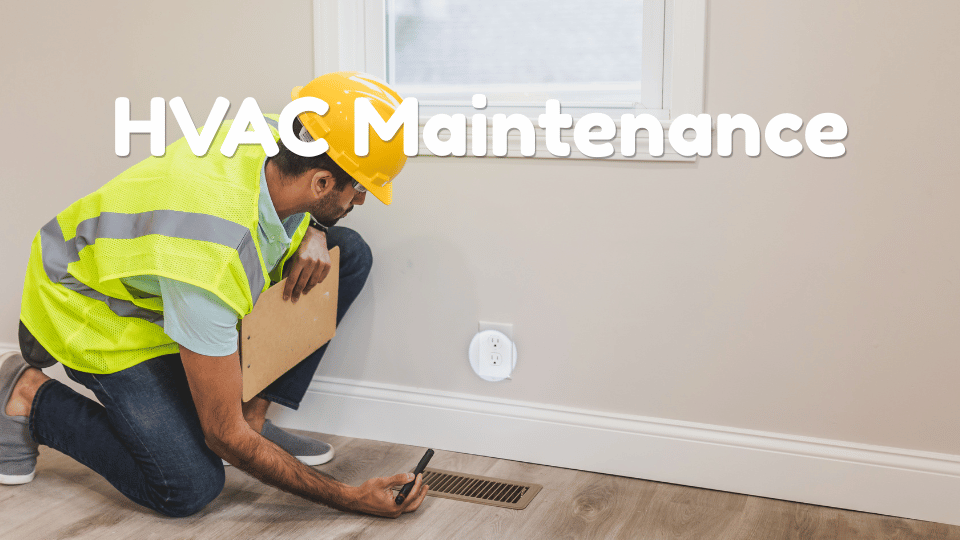
A comfortable home is important for every household, especially those with young children and pets. Between everyday activities, cooking, cleaning, and pet-related messes, indoor environments can accumulate dust, allergens, and other airborne particles. Heating, ventilation, and air conditioning (HVAC) systems play an important role in maintaining indoor comfort, but they need regular attention to operate properly.
Neglecting routine maintenance can lead to restricted airflow, unexpected breakdowns, and unnecessary energy expenses. Homeowners can rely on professional HVAC services to address system concerns and maintain a comfortable indoor environment. For families with children and pets, keeping HVAC equipment in good condition offers several practical advantages.
1. It Helps Maintain Better Indoor Air Quality
Children and pets spend considerable time indoors, making the quality of the home’s air an important consideration. Dust, pollen, pet dander, and other airborne particles can accumulate in living spaces. Without proper filtration and ventilation, some of these contaminants may continue circulating throughout the house.
Regular HVAC maintenance helps keep the system’s filtration components functioning as intended. Replacing or cleaning air filters according to manufacturer recommendations allows the equipment to capture airborne particles while maintaining appropriate airflow. Families with multiple pets may need to inspect filters more frequently because fur and dander can contribute to faster buildup.
Filtration works best alongside other measures, including regular cleaning, source control, and proper ventilation. Families can also reduce indoor pollutant sources by cleaning pet bedding, vacuuming regularly, and keeping living spaces free from excessive dust.
2. It Helps Maintain Consistent Indoor Temperatures
Children, particularly infants and younger kids, depend on comfortable indoor environments for sleeping, playing, and everyday activities. Pets also need suitable indoor temperatures, especially during periods of extreme heat or cold.
An HVAC system with restricted airflow, dirty coils, or poorly functioning components may struggle to distribute conditioned air evenly. This can result in rooms that feel noticeably warmer or cooler than others, making certain areas uncomfortable for family members.
Routine maintenance allows technicians to inspect important components, check airflow, and identify developing performance issues. Thermostat checks and system adjustments can also help maintain more consistent temperatures throughout the home.
For families with bedrooms, playrooms, and pet resting areas, consistent heating and cooling can make everyday living more comfortable.
3. It Can Help Reduce Unexpected Equipment Breakdowns
An HVAC breakdown can disrupt an entire household. A malfunctioning air conditioner during hot weather or a heating system failure during colder months can make indoor conditions uncomfortable, particularly for young children and household pets.
Regular inspections help identify worn components, drainage problems, electrical concerns, and other developing issues before they cause more significant equipment failures.
Homeowners can support this process by replacing air filters, keeping outdoor units clear of debris, and paying attention to unusual noises or changes in system performance. However, refrigerant handling, electrical repairs, and internal equipment servicing should be left to qualified technicians.
Preventive maintenance does not eliminate every possibility of a breakdown, but it gives homeowners a better opportunity to address problems before they become urgent and expensive.
4. It Helps Control Energy Consumption
Families often use heating and cooling systems throughout the day, particularly when children and pets remain at home. When HVAC equipment operates with dirty filters or poorly maintained components, it may need to work harder to provide the desired indoor temperature.
This can contribute to unnecessary energy consumption and higher utility bills. Regular maintenance helps keep essential components clean and allows technicians to identify issues that may affect system efficiency.
The U.S. Environmental Protection Agency’s indoor air quality recommendations also discuss the importance of proper air filtration and ventilation in maintaining healthier indoor environments. These practices complement routine HVAC maintenance and help homeowners make informed decisions about their household air quality.
Simple habits can also make a difference. Homeowners can replace filters when needed, avoid blocking air vents with furniture, and use programmable thermostats to manage indoor temperatures more efficiently.
For households managing several monthly expenses, maintaining an efficient HVAC system can help reduce avoidable energy waste while supporting everyday comfort.
5. It Supports Household Safety and Long-Term Equipment Care
Beyond comfort and efficiency, HVAC maintenance also plays a role in household safety. Heating equipment that uses fuel requires particular attention because improperly operating or vented appliances can create carbon monoxide risks.
Professional inspections can help identify certain equipment problems, examine relevant connections, and assess whether heating components are operating properly. Homeowners should also install carbon monoxide alarms where required and follow the manufacturer’s safety recommendations. An alarm is an important independent safety measure and should never be replaced by routine HVAC servicing.
Regular maintenance also gives technicians an opportunity to monitor equipment condition, identify worn parts, and recommend appropriate repairs. This can help homeowners make informed decisions about servicing or replacing aging equipment.
Families interested in additional ways to maintain a comfortable home can explore BoredMom’s guide to improving indoor air quality at home, which discusses common household pollutants and practical ways to manage them.
Making HVAC Maintenance Part of Family Home Care
Regular HVAC maintenance is more than a seasonal household chore. For families with children and pets, it is a practical way to support indoor comfort, maintain filtration and airflow, reduce avoidable equipment problems, and keep heating and cooling systems operating as intended.
Homeowners can start with simple habits, such as checking air filters monthly, keeping vents unobstructed, and watching for unusual changes in system performance. Professional inspections can address maintenance requirements that go beyond routine household care.
By making preventive maintenance part of a regular home care schedule, families can better protect their equipment, manage household expenses, and maintain a comfortable environment for everyone living under the same roof.