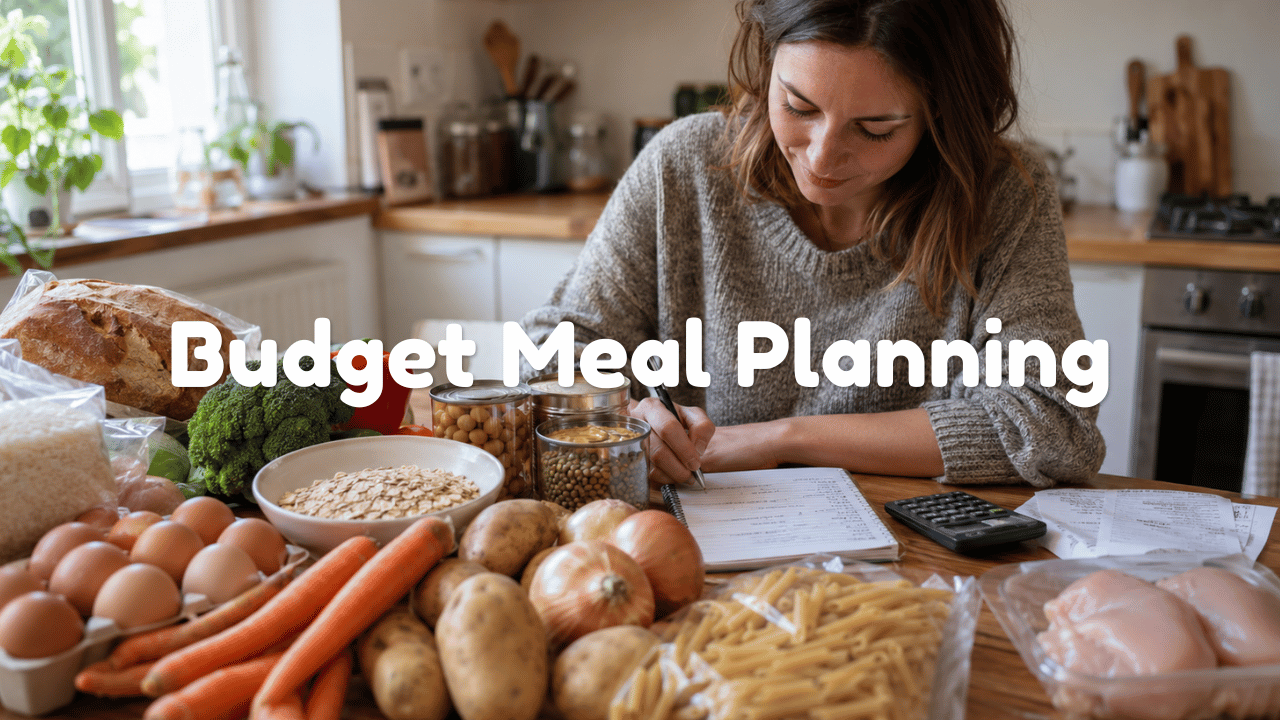
Grocery shopping shouldn’t leave you wondering where all your money went. With a little organization, you can enjoy delicious homemade meals without stretching your finances.
Budget meal planning helps you control grocery spending by choosing affordable recipes, reusing ingredients, and shopping with a clear purpose. Instead of buying random groceries and figuring out dinner later, you decide what to cook before visiting the store.
The best part? You don’t need complicated recipes or hours of preparation. These 15 practical strategies will help you create affordable meals, reduce food waste, and make every grocery dollar count.
An affordable meal planner like https://everyum.app/ can help simplify budget meal planning by making it easier to organize meals around ingredients you already have.
How to Start Budget Meal Planning Without Overspending
Successful meal planning on a budget begins before you enter the grocery store. Understanding what you need, what you already own, and how much you can spend makes everything easier.
1. Set a Realistic Weekly Grocery Budget
Start by reviewing your recent grocery spending. Decide how much you can comfortably allocate to food each week, considering household size, dietary needs, and local prices.
Divide your budget into categories such as proteins, vegetables, grains, dairy, and snacks. Leave a small allowance for unexpected price changes.
2. Check Your Pantry Before Shopping
Before creating your shopping list, inspect your refrigerator, freezer, and pantry.
You might discover rice, canned beans, frozen vegetables, or pasta that can become the foundation of several meals.
Planning around existing ingredients prevents unnecessary purchases and helps use food before it expires.
3. Create a Simple Weekly Menu
You don’t need seven completely different dinners.
Choose a few versatile recipes that share ingredients. For example, cooked rice can accompany chicken one evening and become vegetable fried rice the next.
Repeating ingredients keeps shopping lists shorter without making every meal taste the same.
4. Build Your Budget Meal Planning Routine
Consistency matters more than perfection.
Choose one day each week to review your schedule, select recipes, and prepare a grocery list.
Begin with planning dinners if organizing every meal feels overwhelming. Once the routine becomes comfortable, add breakfasts and lunches.
5. Write a Grocery List and Follow It
Organize your shopping list by store sections:
- Produce: Potatoes, carrots, onions, and seasonal vegetables.
- Proteins: Eggs, lentils, beans, and affordable chicken cuts.
- Grains: Rice, pasta, oats, and bread.
- Dairy: Milk, yogurt, and cheese.
- Pantry essentials: Canned tomatoes, cooking oil, and seasonings.
A focused list helps prevent impulse purchases and forgotten ingredients.
Smart Grocery Shopping Strategies That Save Money
Even an excellent meal plan can become expensive if you shop without comparing prices. These strategies help you make better purchasing decisions.
6. Compare Unit Prices Instead of Package Prices
The cheapest-looking package isn’t always the best value.
Compare the price per ounce, pound, or kilogram when choosing between brands and package sizes.
Larger packages sometimes cost less per serving, but only when you can use the contents before they spoil.
7. Choose Affordable, Versatile Ingredients
Build meals around ingredients that work in several recipes.
Potatoes can become baked potatoes, soup, or breakfast hash. Eggs work for breakfast, sandwiches, and vegetable frittatas.
Rice, beans, oats, and lentils are other useful staples because they’re filling, adaptable, and generally affordable.
8. Buy Seasonal and Frozen Vegetables
Fresh produce prices change throughout the year.
Choose seasonal vegetables when they’re competitively priced, and consider frozen alternatives when fresh options become expensive.
Frozen peas, broccoli, spinach, and mixed vegetables are convenient because you can prepare only the amount needed.
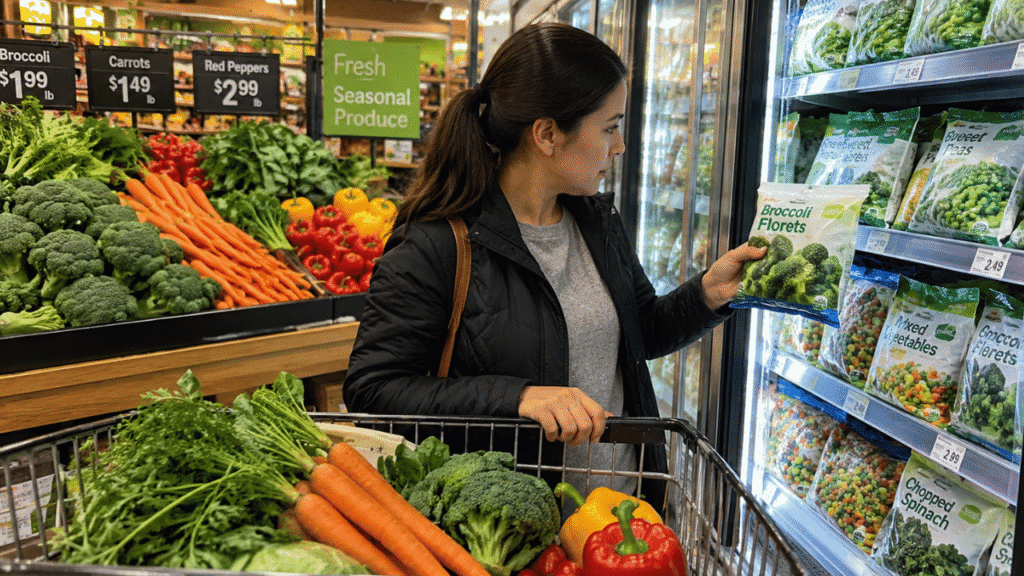
Woman shopping for seasonal and frozen vegetables at a grocery store, comparing fresh produce with frozen broccoli, peas, and mixed vegetables to save money
9. Use Store Brands and Weekly Discounts
Store-brand groceries often provide better value than recognizable labels.
Compare ingredients, package sizes, and unit prices before deciding.
Review supermarket promotions when creating your menu, but avoid purchasing discounted food you don’t actually need.
A bargain only saves money when it replaces something you intended to buy.
10. Stretch Protein Across Multiple Meals
Protein can represent a significant portion of your grocery budget.
Instead of serving large portions of meat every evening, combine smaller portions with beans, vegetables, or grains.
Chicken is particularly versatile. Explore different chicken recipes to turn one ingredient into satisfying meals such as chicken rice bowls, vegetable soup, and simple pasta dishes.
Budget Friendly Meal Ideas and Weekly Preparation Tips
Cooking affordable meals becomes easier when you combine inexpensive ingredients with a flexible schedule.
11. Build a Cheap Weekly Meal Plan for Your Family
A cheap weekly meal plan doesn’t require elaborate cooking. Start with simple dinners that use overlapping ingredients.
| Day | Dinner Idea |
| Monday | Lentil soup with toasted bread |
| Tuesday | Chicken and vegetable rice bowls |
| Wednesday | Baked potatoes with beans and cheese |
| Thursday | Tomato pasta with sautéed vegetables |
| Friday | Egg fried rice with leftover vegetables |
| Saturday | Homemade chicken and vegetable soup |
| Sunday | Bean burritos with rice and cabbage |
Adjust portions to your household and use affordable ingredients already available.
12. Prepare Ingredients in Advance
Dedicate a short preparation session to washing vegetables, chopping onions, or portioning ingredients.
You can also cook grains ahead, provided they’re cooled promptly and refrigerated safely.
Having ingredients ready reduces cooking time and makes homemade meals more appealing on busy evenings.
13. Cook Larger Batches When Practical
Soups, stews, chili, and pasta sauces are excellent batch-cooking options.
Prepare extra servings and freeze portions for future meals.
Person preparing large batches of homemade soup and chili, portioning meals into labeled containers for freezing to save money on groceries.
Label containers with their contents and preparation dates. Smaller portions make reheating easier and reduce the temptation to order expensive takeout.
14. Turn Leftovers Into New Meals
Leftovers shouldn’t feel like eating the same dinner repeatedly.
Transform roasted vegetables into an omelet, leftover chicken into soup, or cooked beans into burrito filling.
Refrigerate leftovers promptly and reheat thoroughly. Freeze food you won’t use within a few days.
Creative reuse makes groceries last longer without sacrificing variety.
15. Keep Affordable Backup Meals Available
Unexpected schedule changes can disrupt even the best plan.
Keep a few inexpensive, shelf-stable ingredients available for busy days.
Pasta with tomato sauce, scrambled eggs with toast, or canned-bean soup can become quick dinners without another grocery trip.
This simple habit helps prevent last-minute spending.
Conclusion: Make Every Grocery Dollar Work Harder
Saving money on groceries doesn’t mean eating boring meals or following restrictive menus.
Start with a realistic budget, use ingredients efficiently, compare prices, and prepare meals that fit your schedule. Small improvements can make weekly shopping more predictable while reducing wasted food.
Ultimately, budget meal planning works best when it’s simple, flexible, and sustainable. Choose a few strategies from this guide, try them for a week, and adjust your routine as you discover what works for your household.
Frequently Asked Questions About Meal Planning on a Budget
How Can You Start Meal Planning on a Budget?
Start by setting a weekly grocery spending limit and checking what you already have at home. Choose three or four affordable recipes that share ingredients, then build a shopping list around them. Focus on inexpensive staples such as rice, beans, eggs, and seasonal vegetables. Begin with dinner planning before expanding to other meals. Keeping your first plan simple makes it easier to maintain consistently.
How Do You Create a Cheap Weekly Meal Plan for Your Family?
Choose meals based on your family’s preferences, available ingredients, and grocery budget. Include several low-cost recipes featuring grains, vegetables, and affordable proteins. Plan dinners that can produce useful leftovers for lunch or another meal. Compare prices before shopping, adjust portions for household size, and keep one flexible dinner night. Reusing ingredients across different recipes helps reduce costs without limiting variety.
What Are the Best Budget-Friendly Meal Ideas for the Week?
Some practical budget friendly meal ideas include lentil soup, vegetable fried rice, bean burritos, baked potatoes, chicken pasta, and egg-based dinners. These meals rely on accessible ingredients and can be adapted to whatever is available. For additional variety, try vegetable chili, homemade pizza, or rice bowls with beans and roasted vegetables. Choose recipes with overlapping ingredients to keep grocery expenses manageable.