
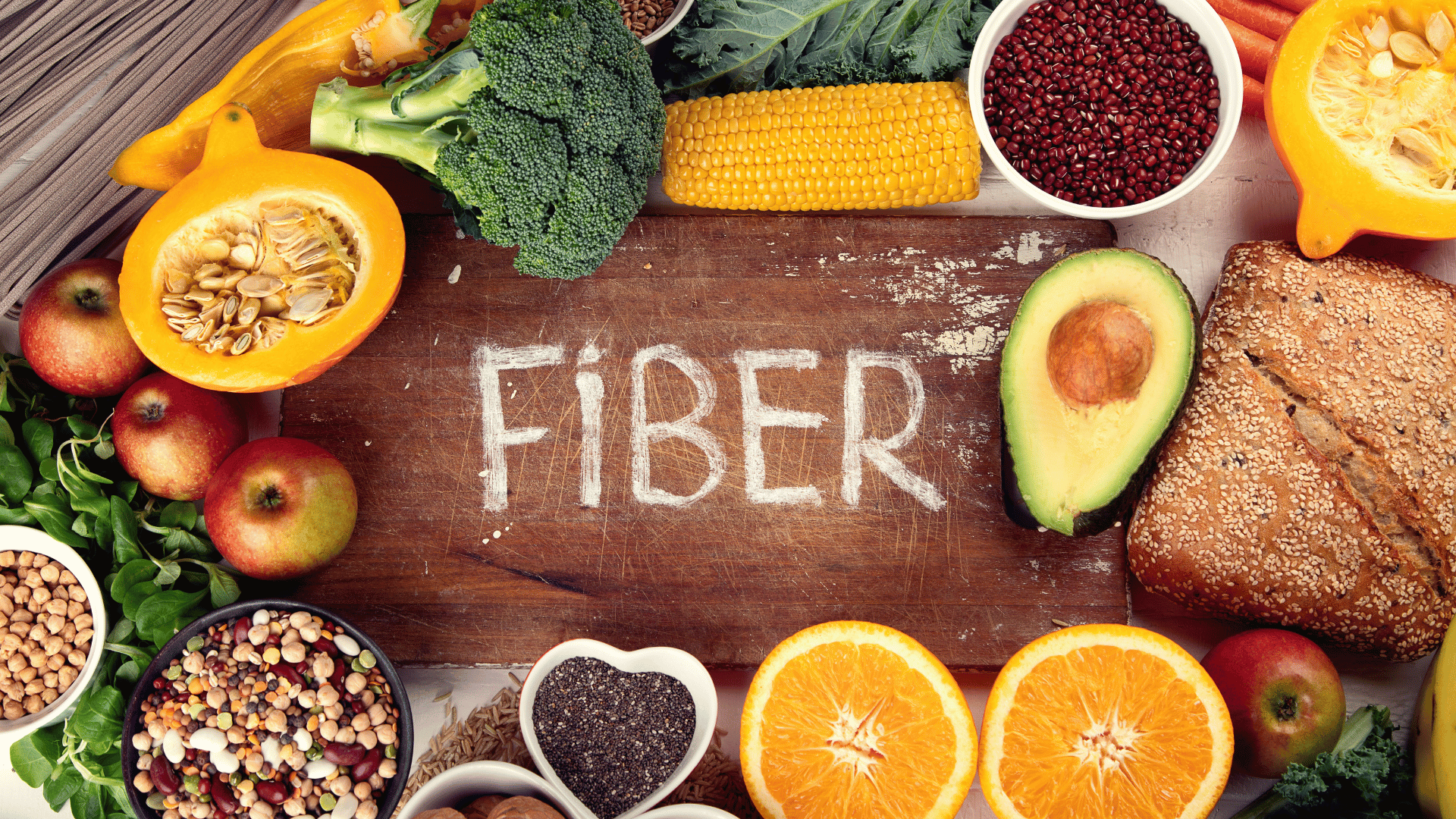
Getting more fiber onto the family table sounds like a project. In practice, it comes down to a handful of small swaps you can make inside meals your kids already eat.
Most of the change comes from small habits: buying a different loaf of bread, keeping canned beans in the pantry, and leaving the peel on the potatoes.
Below are the easiest places to start, organized by the moments of the day when most families eat.
Start the Day With a Fiber-Rich Breakfast
Breakfast is the easiest meal to change because most families rotate through the same four or five options. Swap one of them for a higher-fiber option and you’ve changed a couple of mornings every week.
Oatmeal is the obvious starting point. Rolled oats cook in a few minutes, and kids who balk at plain oats will often eat them topped with sliced banana, a spoonful of nut butter, or a handful of raspberries.
If mornings are too rushed for the stove, overnight oats solve that. Stir oats, milk, yogurt, and a spoonful of chia seeds together in jars before bed, and breakfast is waiting in the fridge.
A few other easy upgrades:
- Stir ground flaxseed into pancake or waffle batter. It disappears into the mix.
- Top yogurt with berries and a sprinkle of high-fiber cereal instead of granola alone.
- Choose cereals that list a whole grain as the first ingredient.
Rethink the Bread in Your Sandwiches and Toast
Bread shows up at breakfast, in lunchboxes, and next to dinner, so the loaf you buy has an outsized effect on a family’s weekly fiber count. One switch at the store reaches all three meals.
Whole-grain and whole-wheat breads are the classic swap. Look for “100% whole wheat” or “whole grain” as the first ingredient, since “wheat bread” on its own can still mean mostly refined flour.
For kids who push back on anything that looks brown or seedy, a soft white-style loaf built for fiber can bridge the gap. Hero Bread makes sliced bread, buns, and tortillas designed to be high in fiber and low in net carbs, so the grilled cheese looks the same while each slice brings more fiber to the plate.
The same thinking applies to wraps and buns. Whole-wheat tortillas work for quesadillas and burritos, and a higher-fiber burger bun is an easy switch on cookout nights.
Pack a Higher-Fiber Lunchbox
Plenty of school lunches lean on white bread, crackers, and fruit snacks. A few changes to what goes in the box can add fiber to five meals a week without any extra cooking.
Build sandwiches on whole-grain or high-fiber bread, and pack a whole piece of fruit alongside them instead of fruit snacks. Mini whole-grain pitas filled with hummus and cucumber travel well and hold up until lunchtime.
Leftovers work too. A thermos of last night’s bean chili or lentil soup makes a warm lunch on cold days.
Let Beans and Lentils Stretch Your Dinners
Beans and lentils are among the most fiber-dense foods in the grocery store, and they’re cheap. The trick is working them into dishes your family already likes instead of serving them as the main event.
Ground meat dishes are the best entry point. Replace a quarter to half of the beef in tacos, sloppy joes, or chili with black beans or pinto beans, and most kids won’t notice the change.
Red lentils are even sneakier. They cook down to almost nothing in 15 to 20 minutes, so you can simmer a half cup into spaghetti sauce or soup and they melt into the texture.
Canned beans make all of this faster. Rinse them well to cut down on the starchy liquid and some of the sodium, then toss them into:
- Quesadillas with cheese and salsa
- Pasta salad with chickpeas and chopped vegetables
- Mashed white beans in place of some of the mayo in tuna salad
Leave the Skins On Your Fruits and Vegetables
Most families peel produce out of habit. Much of the fiber in produce sits in or just under the skin, so leaving it on is the least effort you’ll spend on any change in this list.
Scrub potatoes and sweet potatoes and roast or mash them skin-on. Rustic mashed potatoes with flecks of skin are a perfectly normal weeknight side.
Apples and pears can go into lunchboxes sliced with the peel intact, and a squeeze of lemon keeps them from browning. Cucumbers, zucchini, and carrots only need a good wash for most recipes.
If texture is the complaint, start with thin-skinned options like red potatoes or English cucumbers before working up to thicker peels.
Make Snack Time Count
Kids snack constantly, which makes snack time one of the best chances to add fiber without a battle at dinner. A few small switches in the pantry add up over a week.
Easy higher-fiber snacks include:
- Air-popped popcorn, for kids old enough to eat it safely
- Hummus with carrot sticks, snap peas, or bell pepper strips
- Apple or pear slices with peanut butter
- Roasted chickpeas, seasoned with a little salt or cinnamon
- Whole-grain crackers with cheese
Keep a bowl of whole fruit within reach of the kids and a container of cut vegetables at eye level in the fridge. Kids grab what’s easy to see.
For younger children, skip whole nuts and popcorn and stick to nut butters spread thin, soft fruit, and well-cooked vegetables, since those harder foods can be a choking risk for toddlers.
Tuck Vegetables Into Dishes They Already Eat
Some kids will eat a pile of roasted broccoli. Many won’t, at least not yet. Blending or grating vegetables into familiar dishes adds fiber while you keep offering the whole versions on the side.
Grated zucchini and carrot mix easily into meatballs, meatloaf, and muffins. Pureed butternut squash or cauliflower stirs into mac and cheese and turns the sauce a little creamier.
Smoothies are another easy fit. A handful of spinach disappears behind frozen berries and banana, and a spoonful of oats or chia seeds thickens the whole thing.
Trade Up Your Grains a Little at a Time
Brown rice, whole-wheat pasta, and quinoa carry more fiber than their white counterparts, but a sudden full swap can lead to a dinner-table revolt. Mixing them is the gentler route.
Start with a half-and-half blend of white and whole-wheat pasta, or cook white and brown rice together. Once the family is used to that, shift the ratio.
Other easy grain swaps:
- Barley or farro in soups instead of noodles
- Whole-wheat couscous as a quick side
- Whole-wheat breadcrumbs in place of panko for coatings
Go Slowly and Keep Water on the Table
Adding a lot of fiber all at once can leave kids and adults feeling bloated or gassy. Building it in over a few weeks, one swap at a time, gives everyone’s stomach time to adjust.
Water matters here too. Put a pitcher on the table at meals and send a water bottle in every lunchbox, especially on days with more beans, oats, or whole grains.
If your child has digestive issues or a medical condition that affects diet, check with your pediatrician before making big changes.
A Higher-Fiber Week Without a Kitchen Standoff
Three swaps make a good first week: one at breakfast, one at lunch or snack time, and one at dinner. Run with those for seven days before adding more.
A realistic first round might be overnight oats with chia on school mornings, a higher-fiber loaf for sandwiches, and black beans stirred into taco night. Once those feel normal, add skin-on potatoes or a half-and-half pasta blend.


