
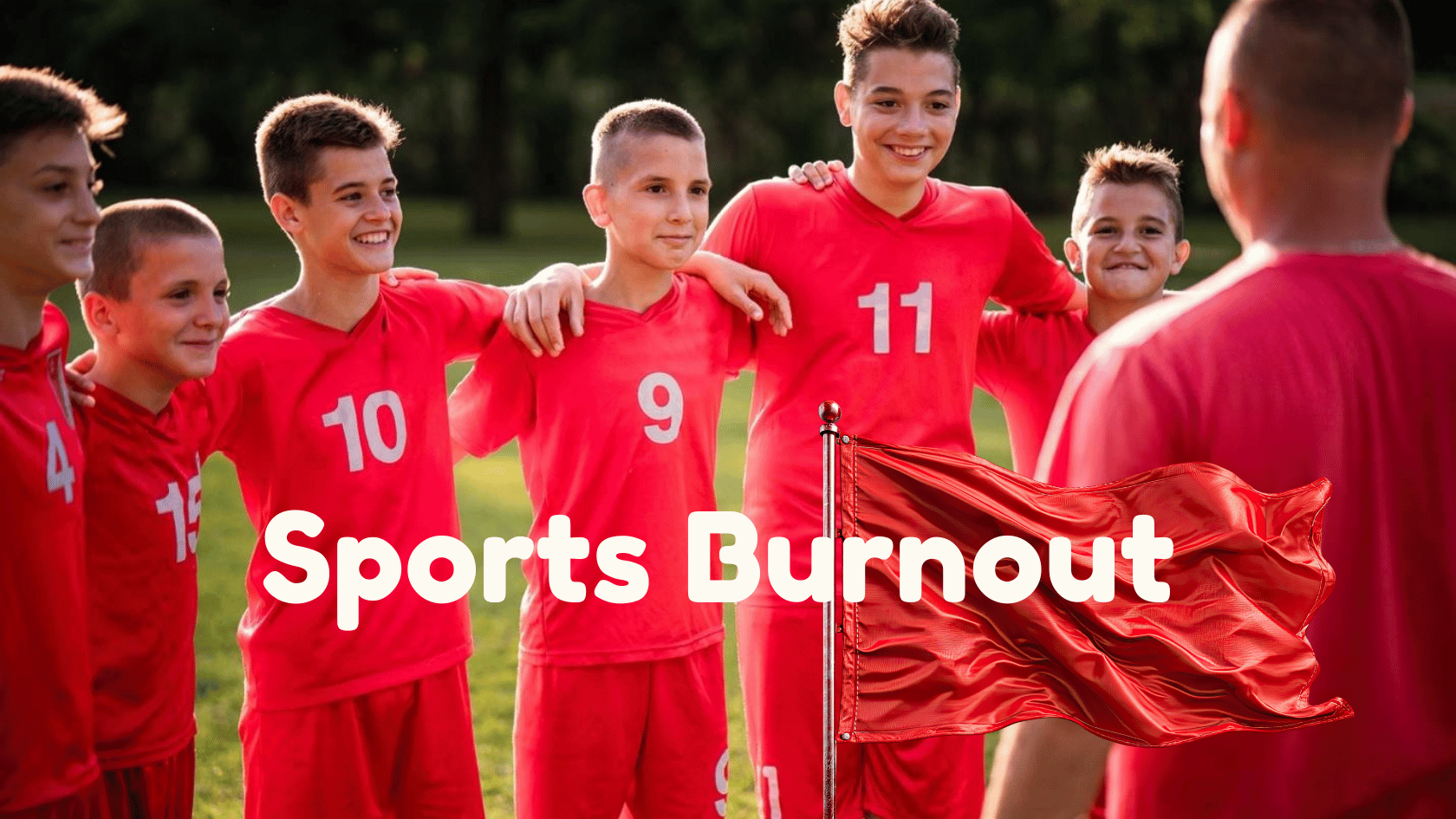
Youth sports can build confidence, friendships, and physical skills, but a packed schedule can eventually wear down even enthusiastic athletes. Burnout is more than having a bad practice or feeling disappointed after a loss. It can develop when ongoing physical and emotional demands outweigh opportunities for rest and recovery.
Watch for Changes Beyond Performance
Burnout does not always begin with worse statistics. A child who once rushed to practice may start finding reasons to skip it. Irritability, persistent fatigue, trouble sleeping, reduced effort, and frequent complaints about practices can also signal a problem.
Physical complaints deserve attention too. Recurring soreness or minor injuries may indicate that an athlete is not getting enough recovery between practices, games, tournaments, and private training. One difficult week is different from a pattern that continues for weeks.
Ask What Has Changed
Coaches should talk with athletes rather than immediately increasing drills or conditioning. The problem may be an overloaded schedule, pressure to perform, conflict with teammates, fear of making mistakes, or simply too little time away from the sport.
Parents can help by giving children room to answer without steering the conversation toward scholarships, statistics, or playing time. Sometimes the athlete needs permission to admit that the sport has stopped being enjoyable.
Reduce Pressure Without Removing Structure
Recovery does not necessarily mean quitting. A lighter practice schedule, a short break, or fewer competitions may give an athlete time to recover physically and mentally.
Coaches can also shift attention away from outcomes. A baseball player does not need every conversation to center on the final numbers displayed on the field’s baseball scoreboards for sale. Practice can focus on a specific skill, good decision-making, or effort without tying every improvement to winning. Young athletes also need sleep, adequate nutrition, hydration, school time, and opportunities to socialize outside their team.
Know When Burnout Needs More Attention
Persistent anxiety, sleep problems, major mood changes, loss of interest in other activities, or physical symptoms warrant closer attention. Parents may need to involve a pediatrician, mental health professional, athletic trainer, or another qualified provider.
A healthy youth sports experience should leave room for competition and recovery. Coaches and parents can protect that balance by watching for behavioral changes, listening before pushing harder, and allowing athletes enough time away from organized competition. Check out the infographic below to learn more.


