
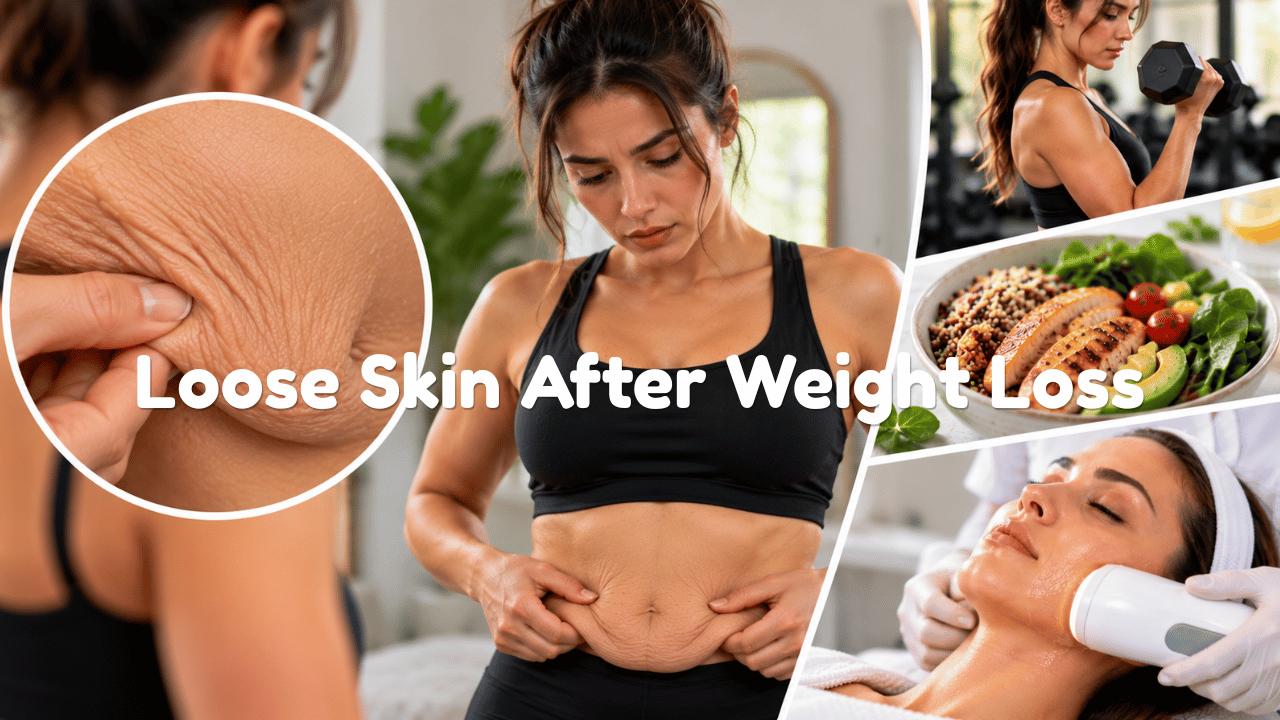
Social media loves a transformation: the side-by-side photos, the smaller jeans, the triumphant smile. What those posts rarely show is what comes next, which is skin that doesn’t always shrink along with the body.
If you’re dealing with loose skin after weight loss, you’re in very good company. Here are seven things worth knowing, from why it happens to what can actually help.
1. It’s Far More Common Than People Admit
Whether the weight comes off through diet and exercise, surgery, or medication, skin often lags behind. Mild looseness is common, and larger amounts are more likely after major weight loss. It’s a normal physical response, not a sign that you did something wrong.
2. Your Skin Is Doing Its Best
Skin stretches to cover extra weight, and the collagen and elastin that keep it taut can wear thin over time. When the weight goes, the skin has to retract, and sometimes it can’t fully. The outcome depends on how much you lost, how quickly, how long you carried the weight, your age, your genes, and your history of sun exposure and smoking.
Pregnancy can stretch the abdominal skin, and hormonal changes such as menopause affect collagen too, which is why two people with the same weight loss can look quite different afterward.
3. The Timeline Is Longer Than You’d Think
Mild looseness often improves gradually, sometimes continuing for up to two years. That means judging your results after a few weeks is premature. Larger amounts of excess skin rarely resolve completely on their own, and that’s a matter of skin biology rather than effort.
4. Habits Help, but They Have Limits
Healthy habits won’t erase significant loose skin, but they give your skin its best chance and support any other treatment you choose.
- Take a gradual pace. When you can, lose weight steadily rather than all at once.
- Strength train. Extra muscle adds shape and fullness beneath loose skin.
- Fuel well. Get enough protein and overall nutrition, and drink water through the day.
- Cover up. Daily sunscreen and staying smoke-free help preserve the collagen you have.
- Stay patient. Skin responds on its own schedule, so check your progress over months.
- Keep creams in perspective. A good moisturizer improves how skin looks and feels, but it can’t tighten significant looseness.
5. Big Promises Deserve Skepticism
Body wraps, “tightening” creams, and miracle supplements promise a lot, but the evidence behind most of them is thin. If a product claims to fix significant loose skin in days, treat that as a red flag, and ask a dermatologist before you spend your money.
6. Professional Options Exist, With Realistic Limits
For mild to moderate looseness, treatments given in a clinic, including laser, microneedling, ultrasound, and radiofrequency, aim to trigger new collagen production. They typically work gradually, may take several sessions, and deliver modest improvement rather than a surgical result.
Sofwave, for instance, delivers ultrasound energy to the mid-dermis and is FDA-cleared to improve facial wrinkles and lift lax skin under the chin and on the neck, two areas where weight-loss changes often show first.
Outcomes and risks vary, so the provider’s experience and the device’s suitability for your body area both matter. Booking a consultation with a board-certified skin or plastic surgery specialist is a smart place to begin.
7. Surgery Is a Valid Choice, Not a Failure
For significant excess skin, body contouring procedures can remove skin that nothing else can. They involve scars, recovery time, and cost, and many surgeons prefer that your weight has been stable for a while first. Choosing surgery, or choosing to do nothing at all, is a personal decision, and both are valid.
Questions to Bring to Your Appointment
- What type and amount of loose skin do I have? Ask which options match it.
- What outcome is realistic for me? Ask how it will be judged and how long it takes.
- What are the risks and the recovery? Ask about side effects and time away from your routine.
- What will it cost in total? Ask what is covered and what isn’t.
Be Kind to Yourself
It can feel unfair to work this hard and still find something new to worry about. Those feelings are understandable, and they don’t take away from what you’ve accomplished. If thoughts about your body, food, or weight begin to feel overwhelming, consider talking with your doctor or a counselor.
When to See a Doctor
Check in with a healthcare provider if skin folds keep developing rashes or infections, if the excess skin limits how you move or go about your day, or if you’ve lost weight without meaning to.
Final Thoughts
Loose skin after weight loss happens to many people, and it’s manageable. Mild cases often soften with time, good habits, and patience, while moderate and significant cases have professional options worth exploring. Whatever you choose, make that choice with an expert’s guidance and realistic expectations.
This article is for informational purposes and does not replace medical advice.


