
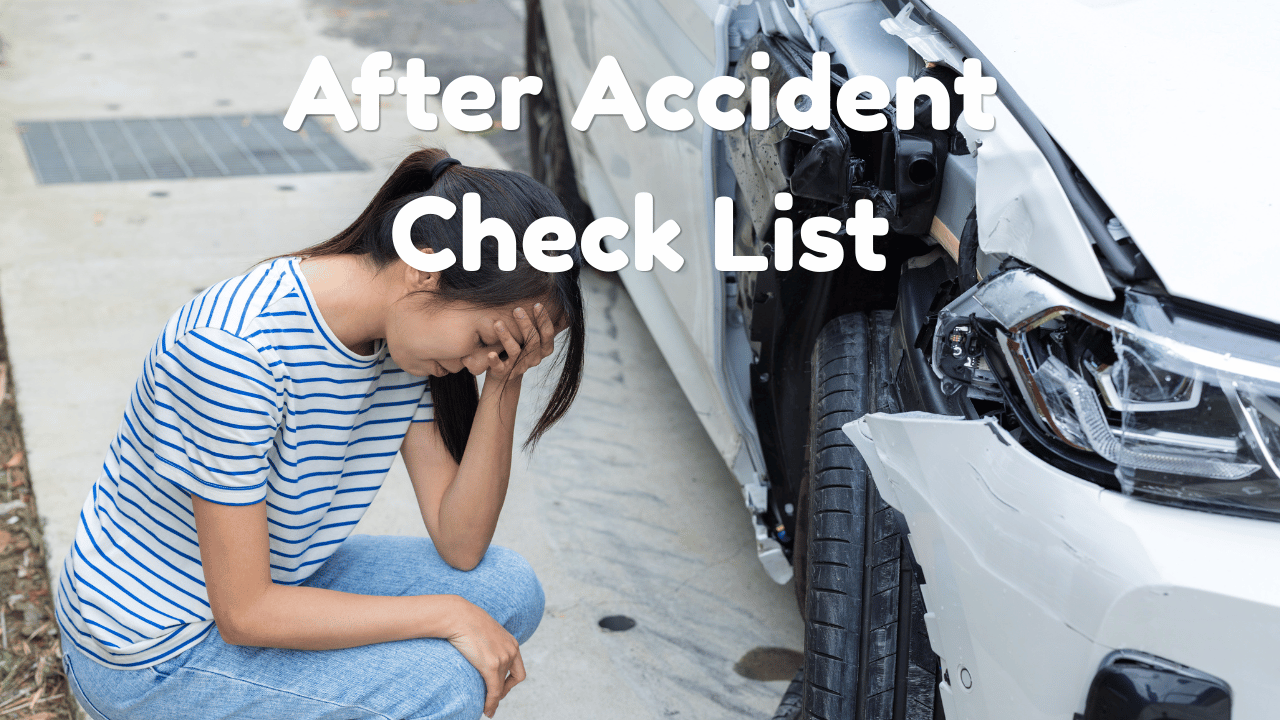
Nobody plans for the phone call saying a family member has been involved in an accident. Whether it is a car crash, a fall, or another unexpected incident, the first few hours can be confusing. There may be medical appointments to arrange, insurance companies to contact, and practical responsibilities at home that suddenly need somebody else’s attention.
Having a simple checklist can make those first steps easier to manage.
-
Deal With Immediate Medical Needs First
Everything else can wait if somebody needs urgent medical attention. After a vehicle collision, the National Association of Insurance Commissioners recommends calling 911 when somebody is injured.
Not every injury is immediately obvious, either. The CDC notes that some symptoms of concussion can take hours or days to appear. Worsening headaches, repeated vomiting, seizures, unusual confusion, or an inability to wake should prompt emergency medical attention.
Families can help by keeping track of symptoms, appointments, and medical advice, particularly if the injured person is tired, uncomfortable, or overwhelmed.
-
Write Down What Happened
Memories can become less precise surprisingly quickly, especially after a stressful experience. As soon as practical, make a record of what happened while the details are still relatively fresh.
For a road accident, useful information can include the date and location, details of the vehicles involved, insurance information, and contact details for witnesses. Photographs of vehicle damage and the surrounding scene may also be useful.
Keep everything together rather than allowing photographs, emails and paperwork to become scattered across different phones and accounts.
-
Create One Place for Every Document
Accidents can generate a surprising amount of paperwork. Medical bills, insurance correspondence, repair estimates, police reports, and receipts can quickly become difficult to manage.
Create a physical folder, digital folder, or both. It can also help to keep a simple timeline recording appointments, telephone conversations, and important developments. The NAIC recommends keeping notes and dates of conversations with insurers and claims adjusters.
Having one family member responsible for organizing paperwork can prevent information from being accidentally lost or duplicated.
-
Understand the Insurance Position
Insurance coverage can vary significantly depending on the policy, circumstances, and state in which the accident occurred. Contacting the relevant insurer promptly can help establish what information is required and what happens next.
Avoid making assumptions about what will or will not be covered. Ask questions, keep copies of correspondence, and request clarification when something is unclear.
-
Know When Legal Advice May Be Useful
Not every accident requires an attorney. However, questions can arise when injuries are significant, responsibility is disputed, multiple parties are involved, or there is disagreement surrounding an insurance claim.
Families who want to understand their options can visit Accident Law Firm or speak with an appropriately licensed attorney in their state. The purpose of getting legal advice is to understand the situation and available options, rather than assuming that every accident automatically needs to become a lawsuit.
-
Remember the Everyday Responsibilities
Some of the most immediate problems after an accident have nothing to do with insurance or legal paperwork.
Who is collecting the children from school? Does somebody need help getting to a medical appointment? Is the injured person’s car unavailable? Do pets need looking after? Does their employer need to know they will be absent?
Dividing these smaller responsibilities between relatives and friends can stop one person from becoming responsible for everything.
-
Keep Records as Recovery Continues
The consequences of an accident do not necessarily end once someone returns home. There may be follow-up appointments, physical therapy, medication, transportation costs, or time away from work.
Continue keeping relevant documents and receipts rather than assuming they will not be needed. If symptoms change or become worse, seek appropriate medical advice rather than relying solely on what was noticed immediately after the accident.
A Checklist You Hope Stays Unused
Most families would prefer never to need an accident checklist. But knowing the basics can make a difficult situation slightly less chaotic.
Put health and safety first, document important information, keep paperwork organized, and ask qualified professionals for help when questions fall outside your knowledge. The goal is not to anticipate every possible complication. It is simply to make sure important details are not forgotten when your attention is understandably somewhere else.


