
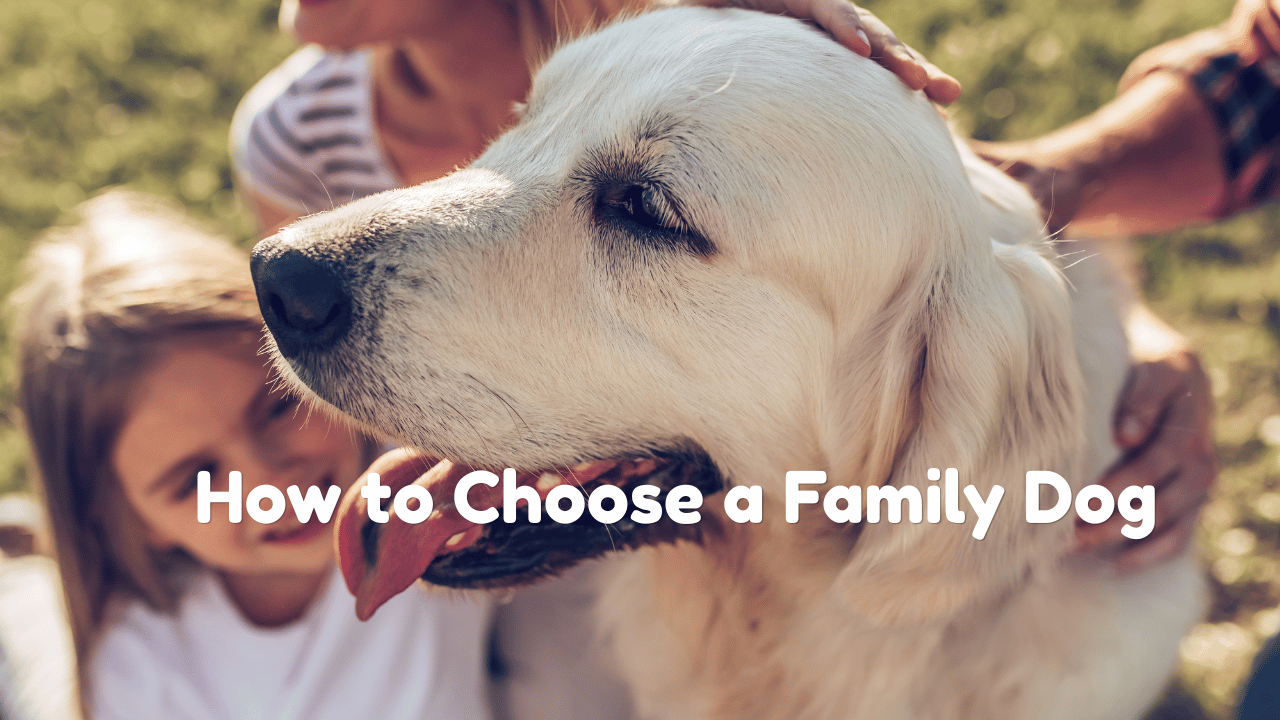
When looking to choose a family dog there are many factors to consider. Some dogs will do well in active households where the family enjoys playing outside. Whereas other dogs will do better in a less busy household. Knowing what type of dog to choose can help make sure your family gets a pet that suits their lifestyle. Thinking about the personality, exercise requirements, grooming requirements and long term commitments can help the dog settle in with you.
Consider the Routines
It is important to think about what your family’s routine looks like. If your family are very active and enjoy going hiking, running and playing outside then a dog that enjoys regular exercise will be a good option. If your family are very busy with work or do not have much time to exercise then a dog with a more average exercise requirement would be a good option. Additionally, you will also want to think about how long you will be leaving the dog alone for. Puppies and some adult dogs require lots of attention, toilet breaks and company.
It will also be important to think about how the responsibilities will work within your family. The dog will need to be fed, walked, trained, groomed and taken to the vets regularly. This can get busy with a busy family schedule however children can help with some of these tasks depending on their age. Adults should still take responsibility for making sure the dog is getting the correct care. Having a realistic routine can help avoid the responsibilities becoming too much.
Consider the Personality
The personality of the dog can be a big factor to consider. Some dogs will be very high energy and lively whilst others will be calmer and more independent. Consider how the dog reacts to being handled, new people, loud noises and changes in routine. All breeds will have different personalities so be sure to look at the specific dog you are considering.
If you have young children in your family then you will want to consider how the dog behaves. A dog that is calm and patient and has been well socialised could be a good option. However no dog should be expected to be handled roughly or constantly disturbed. Children should be taught how to approach, touch and interact with animals in a respectful way. It will be important to supervise them especially if they are younger. The dog should always have somewhere quiet to go to.
Consider the Exercise Requirements
Whilst the layout of your home can affect what type of dog would be a good option. Just because you have a large garden doesn’t mean they will get enough exercise. All dogs will require regular walks, exploring and mental stimulation. Active breeds will require longer walks, planned play sessions and activities to keep them challenged. Consider whether you can give them these regularly throughout the year.
Smaller homes and apartments can be a good option for many dogs as long as their exercise and behavioural requirements are met. However you will need to think about whether you have access to outside areas, walking routes nearby, sensitivity to noise and if there are any restrictions within the building. Some dogs will do well in small spaces whilst others may not have enough exercise or space to be comfortable. Choosing a dog based on their energy levels and individual requirements will be a more useful option.
Consider the Grooming Requirements
Some breeds have heavy shedding requirements meaning they will need regular brushing. Other dogs will need to go to a professional groomer to stop their coats becoming matted. Consider if you have any allergies, how much you want to clean and the cost of keeping their coat. No breed of dog is 100% hypoallergenic so if you have any allergies it may be a good idea to spend some time with the dog.
Training can be an important factor to consider. Puppies will need training to toilet train, socialise and will require regular guidance. Adult dogs may also have set routines that need to be considered. Some dogs will learn commands quickly however will require lots of mental stimulation. Other dogs will respond well to calm and consistent training. Positive training with clear boundaries and consistency will help encourage good behaviours. You will need to be prepared to spend time training your dog or seek professional help.
Consider the Long Term Costs
Getting a family dog is a long term commitment. There will be many costs to consider such as food, regular vet visits, vaccinations, parasite prevention, grooming, training and supplies. Reading about the best dog food can help you compare options and understand what to look for when choosing suitable nutrition for your pet.
They can also incur extra costs if they fall ill or get injured unexpectedly. It is a good idea to set up an emergency fund or look into pet insurance. Consider your budget to make sure you can give them the correct care. Depending on your dog’s dietary needs and preferences, you may also want to explore options such as freeze dried dog food when considering their ongoing feeding costs.
Before deciding on a dog to get consider what may happen in the future. Will you be moving house, having children, changing jobs or travelling more? Dogs can live for many years and their requirements can change as they get older. Adoption organisations, reputable breeders and vets can help you understand the background of the dog, what care they will require and any potential health issues. Taking your time to consider these factors will help you make an informed decision. You can also compare different dog food options as your dog’s nutritional requirements change throughout their life.


