
Nobody warns new parents how much feeding can affect the skin. In the first days, tenderness is common, and for some people it develops into dryness, cracking, or a burning sensation that makes each feed something to dread. Soreness is common, but it is not something you simply have to endure. There are practical steps that ease it, and one of them is choosing a gentle product to protect the skin between feeds.
This guide explains why soreness happens, what to check first, how to choose a suitable cream, and how to apply it in a way that keeps you comfortable. It also covers the signs that mean you should stop experimenting and ask a professional for help. The goal is simple: to help you protect your skin so that feeding stays as comfortable as possible.
Why Nursing Can Leave Skin Sore
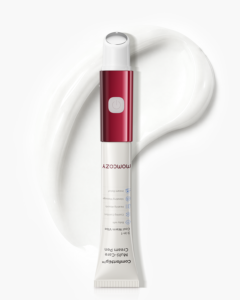
Skin in this area is thin and sensitive, and it faces repeated friction, moisture, and suction many times a day. Several common factors add up. A shallow latch can pinch the tip instead of drawing the nipple deep into the baby’s mouth. A flange that is the wrong size can rub during pumping. Moisture from leaking milk, combined with a bra that traps heat, can irritate the surface. Even a baby’s strong early suck can cause tenderness while both of you learn the technique.
Dry air, frequent washing with harsh soap, and tight clothing can make matters worse. Knowing the cause helps you target the right fix, because no cream will fully solve a problem that comes from positioning. Many parents keep a gentle nipple cream within reach as one part of a broader comfort plan rather than as a stand-alone cure.
Check the Latch Before Anything Else
If pain continues for the entire feed or leaves the nipple looking flattened, creased, or pinched afterward, look at the latch first. A good latch usually has the baby’s mouth open wide, with more of the areola below the nipple inside the mouth than above it. The chin should touch the breast, and the baby’s body should face you, with the head and body in a straight line.
Try these adjustments one at a time:
- Bring the baby to the breast rather than leaning forward to meet the baby.
- Wait for a wide-open mouth before bringing the baby on.
- Change positions, such as the cross-cradle, football, or side-lying hold, to find one that is comfortable for both of you.
- Break the suction gently with a clean finger if you need to start again.
A lactation consultant can watch a feed and suggest changes that are difficult to see on your own. Even one visit can make a noticeable difference.
What to Look For in a Cream
Once the technique feels better, a protective product can help the skin recover between feeds. A few qualities are worth checking on the label.
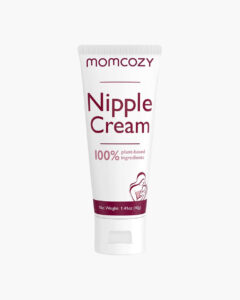
Look for a short, recognizable ingredient list, and read it carefully if you or your baby have allergies. Check whether the product is intended for use while feeding, and whether it needs to be wiped off before the baby latches, since this varies by formula. Texture matters too: a cream that spreads easily and does not feel sticky is easier to use many times a day. Fragrance-free options are generally gentler on sensitive skin.
If you are unsure about a specific ingredient, ask your pediatrician or a lactation professional. A patch test on a small area of skin, such as the inner forearm, can also reveal sensitivity before you apply the product elsewhere. Brands focused on feeding comfort, including Momcozy, typically list usage guidance on the packaging, which is worth reading in full.
How to Apply It Step by Step
Technique matters as much as the product itself. A light, gentle approach keeps the skin protected without causing further irritation. Here is a routine many parents find easy to follow:
- Wash your hands with soap and water before you touch the area.
- After a feed, let the skin air dry for a minute or two so it is not damp when you apply anything.
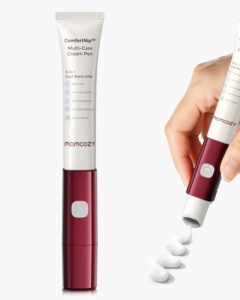
- Take a small amount, about the size of a pea, and warm it between your fingertips.
- Smooth it over the nipple and the surrounding area in a thin layer, pressing lightly rather than rubbing.
- Follow the product instructions about whether to wipe it off before the next feed.
- Repeat after each feed, especially overnight when stretches between feeds are longer.
Applying too much does not provide extra protection and may make breast pads stick or slip. A thin layer is enough, and it keeps clothing cleaner as well.
Everyday Habits That Support Healing
A cream works best alongside small changes to your daily routine. Switch to soft, breathable bras and change breast pads as soon as they become damp. Skip harsh soaps on the area, because plain warm water is usually enough during a shower. Let your skin breathe when possible, for instance by spending a little time without a bra at home.
If you pump, double-check that the flange size fits and that suction is set to a comfortable level. Turning the suction up beyond what feels comfortable can create new soreness. Staying hydrated, eating regular meals, and resting when you can will not directly heal the skin, but they help you cope while it recovers.
When to Call for Help
Mild tenderness often improves within a week or two as you and the baby settle into a rhythm. Pain that is severe, getting worse, or still present after several days of adjustments needs professional attention. Contact a lactation consultant or healthcare provider if you notice any of the following: deep cracks or bleeding that do not improve, a lump with redness and warmth, fever or flu-like symptoms, white patches or shiny, flaky skin, or sharp pain that continues between feeds.
These signs can point to problems such as infection, a blocked duct, or a tongue-tie in the baby, all of which respond better to early treatment. Asking for help is not a sign of failure, and most issues become much easier to manage once someone examines the cause.
Gentle Care That Keeps Feeding Comfortable
Soreness is common in the early weeks, and it usually has a fixable cause. Begin with the latch and positioning, add a gentle protective product after feeds, and support your skin with simple habits such as air drying, breathable fabrics, and properly fitting equipment. Use a thin layer, read the label, and stay alert to the warning signs that call for professional help.
Be patient with yourself and your baby. Feeding is a skill you both learn together, and discomfort tends to fade as that skill develops. With a few adjustments and the right support, most parents find that the tender days pass and that feeding becomes much more relaxed.