
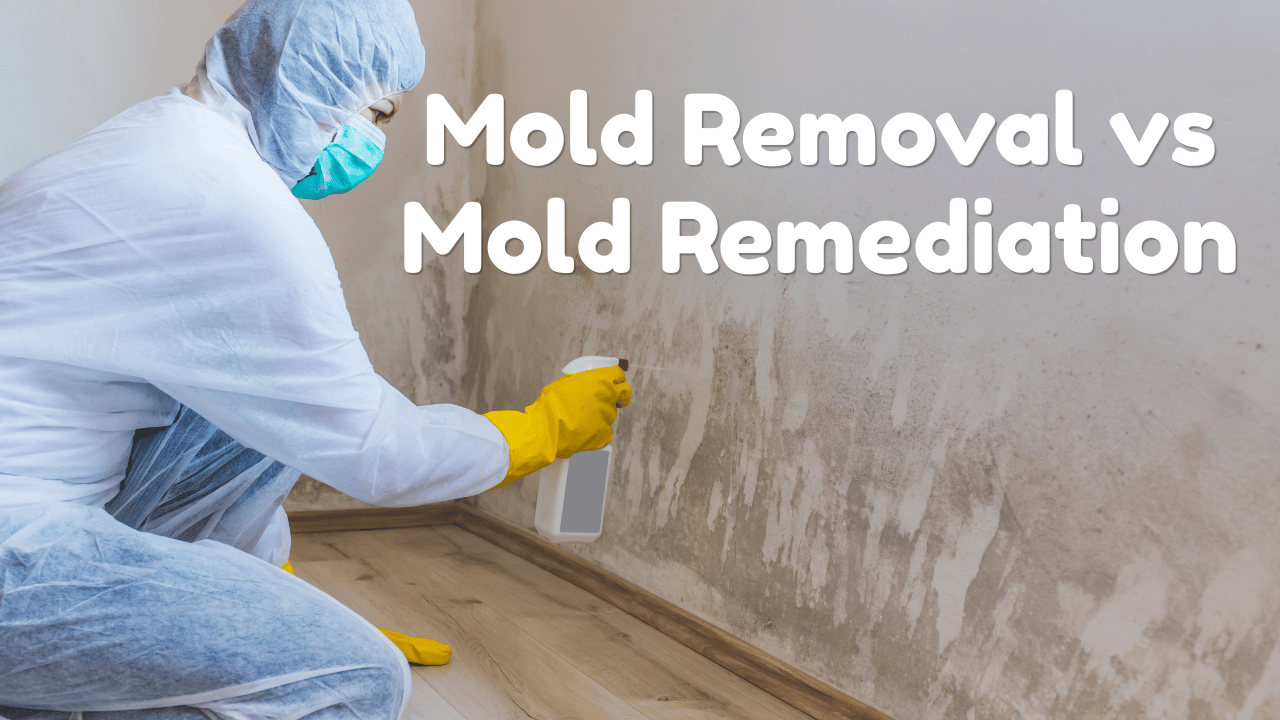
If you’ve spotted dark patches in your crawl space or caught a musty smell that just won’t quit, you’ve probably started searching for help, and stumbled across two terms that sound interchangeable but aren’t. The difference between mold removal and mold remediation is genuinely significant once you understand what each process involves. Picking the wrong service can leave you with a problem that comes roaring back within months, or worse, spreads into parts of your home you hadn’t even checked. Here’s what actually sets these two approaches apart, and how to figure out which one your situation calls for.
Why the Terminology Matters Before You Hire Anyone
Not every contractor who advertises mold work uses these terms consistently, which makes the distinction surprisingly easy to miss. When you contact Raleigh mold removal and remediation services like those available throughout the Triangle area, the scope of work can vary quite a bit depending on which approach a company actually follows. Some contractors offer only surface treatment; others follow a full remediation protocol, one that addresses the moisture source, contains the spread, and verifies results through post-clearance testing. Knowing what you’re asking for protects you from signing a contract that doesn’t solve anything.
Mold at the surface level is just a symptom. The underlying moisture issue that fed the growth is the real headache, and any approach that ignores it produces the same outcome: more mold. Before you hire anyone, ask whether the company performs post-remediation testing and whether the quote includes source identification. Those two questions alone will tell you whether you’re looking at a serious operation or a surface cleaning crew.
What “Mold Removal” Means
Mold removal, taken literally, is the physical act of taking mold off a surface. A contractor working this way might scrub, wipe, or chemically treat visible growth, then bag and dispose of the affected material. This works well in genuinely limited circumstances: a small patch of surface mold on a non-porous material, no structural penetration, and a moisture issue that’s already been resolved. But the term gets misused constantly in this industry to describe what should really be called full remediation, so you need to push for specifics.
The honest reality is that you can’t “remove” mold from a home the way you’d haul out a piece of old furniture. Mold spores exist in every indoor environment; the actual goal is to bring colony-level growth back down to levels that are normal and safe. So when a contractor promises total mold removal without any mention of air quality testing or moisture control, that’s a red flag worth taking seriously before you sign anything.
What “Mold Remediation” Actually Covers
Mold remediation is the broader, more structured process. It starts with an inspection to identify where the mold is growing and, more importantly, why it’s growing there. A professional remediation company will look for elevated moisture readings, active leaks, condensation problems, or inadequate ventilation, because none of those fix themselves.
From there, the process typically includes containment to stop spores from spreading during the work, physical removal of contaminated materials where necessary, HEPA-filtered air scrubbing, and treatment with EPA-registered antimicrobials. Post-remediation clearance testing – sometimes performed by a third party – confirms that spore counts have returned to acceptable levels. This is the standard the Institute of Inspection, Cleaning and Restoration Certification (IICRC) outlines for professional mold work. Remediation takes longer and costs more than simple removal, but it produces a documented, verifiable result; not just a cleaner-looking surface. If you’ve got mold in your attic, crawl space, or basement, remediation is almost certainly what you actually need.
The Practical Differences Between the Two Approaches
The trick is to think about what happens after the contractor leaves. With a removal-only approach, the surface looks clean, but if the moisture source wasn’t identified and corrected, new mold will establish itself within weeks under humid North Carolina conditions. Raleigh’s climate, with its warm summers and seasonal humidity spikes, creates near-ideal conditions for regrowth when the underlying cause stays in place.
Remediation, by contrast, is built around preventing recurrence. The contractor addresses the source, confirms the containment held during work, and leaves behind documentation that the environment meets acceptable air quality standards. And that documentation carries real weight if you’re selling a home; lenders and buyers frequently ask for clearance reports, and a professional remediation record can make or break a real estate transaction. The cost difference between the two approaches is real, but so is the difference in what you actually walk away with at the end of the job.
How Containment and Air Quality Testing Set Remediation Apart
One of the clearest technical dividing lines between removal and full remediation is how the work area gets managed while the job is happening. A removal contractor may wipe surfaces and call it done. A remediation contractor sets up physical containment – plastic sheeting, negative air pressure barriers, sealed entry points – to keep disturbed spores from drifting into unaffected rooms. HEPA-filtered air scrubbers run continuously to capture airborne particles. Workers wear personal protective equipment matched to the contamination level on site. After the physical work wraps up, air samples or surface swabs go to a laboratory, and the results confirm whether the remediation hit the target standard.
That testing step is what separates a professional remediation job from a cleanup task. Without it, you have no independent confirmation that the air in your home is actually safe. Some homeowners skip this step to save a few hundred dollars; many of them end up dealing with the same issue six months later at a total cost well above what thorough remediation would’ve run the first time.
Which Service Your Raleigh Home Actually Needs
Most Raleigh homeowners dealing with mold in crawl spaces, attics, or basements need remediation, not simple removal. Humidity levels in central North Carolina make surface-only treatment a short-term fix at best.
If the mold covers more than ten square feet, involves porous materials like wood framing or drywall, or keeps returning after previous treatments, those are clear signs the job requires the full remediation process. Small patches on non-porous tile or glass in an otherwise dry bathroom may genuinely need only a thorough cleaning with the right products. But anything larger, anything touching structural materials, or anything with an unresolved moisture source demands the structured approach.
The real question to ask yourself is this: do you actually know why the mold grew there? If you don’t, a qualified inspector should answer that before any cleaning starts. Understanding the difference between mold removal and mold remediation services in Raleigh gives you what you need to ask the right questions and hire the right help.
Conclusion
The difference between mold removal and mold remediation comes down to scope, process, and what you can verify once the work is done. Removal treats the surface. Remediation treats the problem – the moisture source, the contaminated materials, the air quality – and it produces documentation to prove it worked. In Raleigh’s humid climate, most mold situations call for full remediation rather than a surface clean. Before you hire anyone, ask about moisture source identification, containment protocols, and post-remediation testing. Those details tell you far more about the quality of the work than any marketing claim ever will.


