
In September 2026, homeowners increasingly recognize that a piecemeal approach to home maintenance is often inefficient and costly. The strategic value of comprehensive home services, particularly for HVAC and plumbing, lies in its ability to offer bundled maintenance, preventative care, and cost optimization from a single-source provider. This integrated approach ensures that your home’s most vital systems work in harmony, preventing minor issues from escalating into major, expensive problems.
The global HVAC market alone was valued at an astounding $240.8 billion in 2023 and is projected to reach $367.5 billion by 2032, underscoring the critical role these systems play in modern living. This growth, coupled with an aging infrastructure, contributes to the home services market (encompassing HVAC, plumbing, and electrical) being expected to exceed $1 trillion by 2025. These figures highlight a significant trend: homeowners are investing more in maintaining their properties, and for good reason. Proactive maintenance, especially when delivered by providers offering integrated home system solutions, is a smart investment that pays dividends in comfort, efficiency, and longevity.
By opting for a provider that specializes in both HVAC and plumbing, you gain the advantage of technicians who understand the intricate connections between these systems. This holistic perspective allows for more accurate diagnostics, streamlined scheduling, and often, more favorable pricing through bundled service contracts. It’s about moving beyond reactive repairs to a proactive strategy that keeps your home running smoothly year-round.
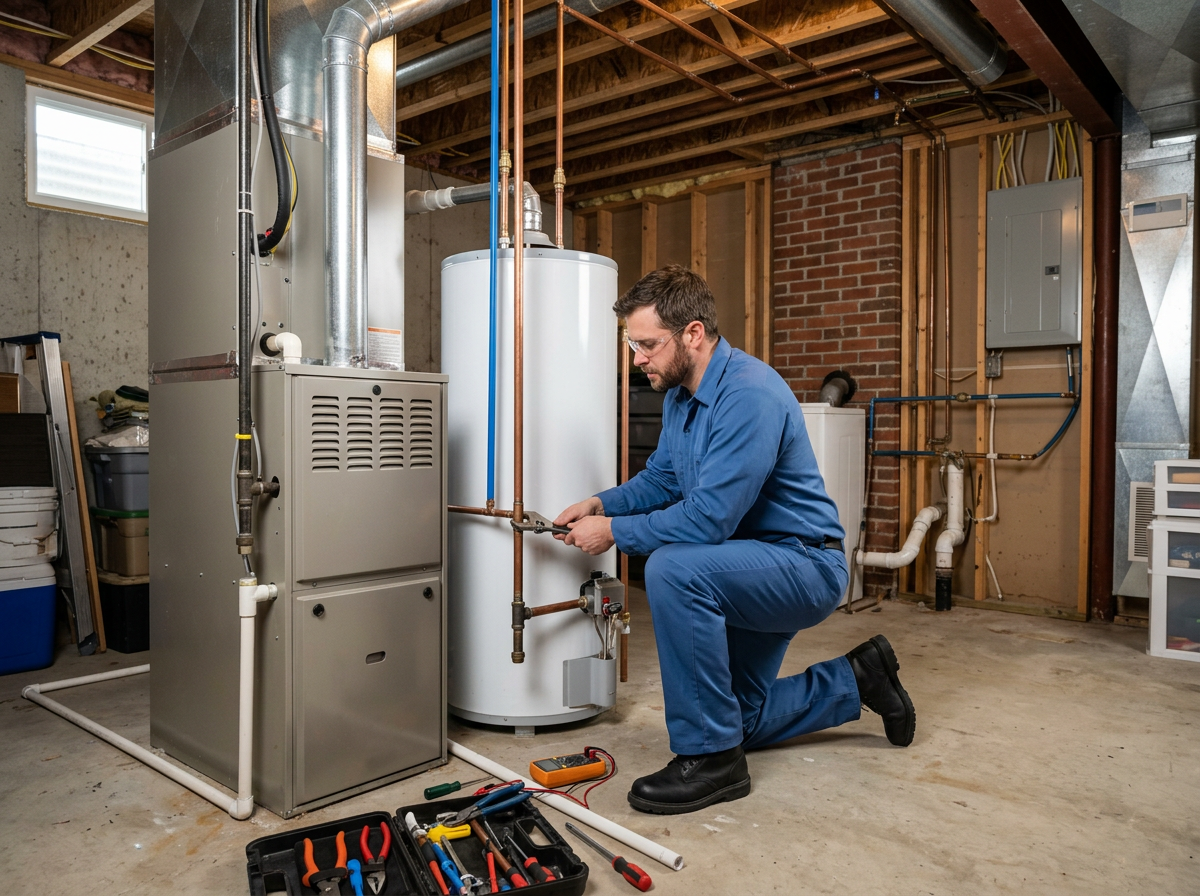
Efficiency Interconnection Between Air and Water Systems
The efficiency of your home’s air and water systems is far more interconnected than many realize. For instance, the performance of your water heater, whether tankless or traditional, directly impacts your energy consumption. An inefficient water heater can force your HVAC system to work harder to maintain desired indoor temperatures, especially if hot water pipes are poorly insulated or leaks are present. Thermal dynamics play a crucial role here; heat loss from plumbing can affect the ambient temperature around your HVAC units or within walls, impacting overall energy efficiency.
Similarly, issues like excessive humidity from plumbing leaks or poor ventilation can place additional strain on your air conditioning system, increasing utility bills. Heating and cooling account for approximately 51% of a typical home’s annual energy consumption, making any factor that influences their efficiency a top priority. When airflow balance is compromised, perhaps due to ductwork issues or even foundational shifts caused by plumbing problems, your HVAC system struggles to distribute conditioned air effectively, leading to hot or cold spots and wasted energy. A comprehensive service approach considers these interdependencies, optimizing both systems for maximum energy savings and consistent home comfort.
Preventative Inspection Frequencies and Lifecycle Management
Regular preventative inspections are the cornerstone of effective home system management, extending the life of your equipment and preventing costly breakdowns. For HVAC systems, a biannual inspection — typically in the spring before cooling season and in the fall before heating season — is highly recommended. These check-ups ensure that all components are clean, calibrated, and operating safely. According to the U.S. Department of Energy, regular HVAC maintenance can reduce energy bills by 5% to 15%.
Plumbing systems, while often more robust, also benefit significantly from annual inspections. These check-ups can identify slow leaks, corrosion, sediment buildup in water heaters, and potential issues with drains or sewer lines before they become emergencies. Proactive servicing helps protect warranties, which often stipulate regular maintenance for validity. It also allows technicians to monitor component wear, such as aging pipes or deteriorating seals, enabling timely replacements rather than emergency repairs. This strategic approach to lifecycle management ensures optimal performance, minimizes downtime, and ultimately saves homeowners money by avoiding the average $1,000 to $3,000 per year spent on emergency plumbing repairs and maintenance.
Essential Components of Integrated System Maintenance
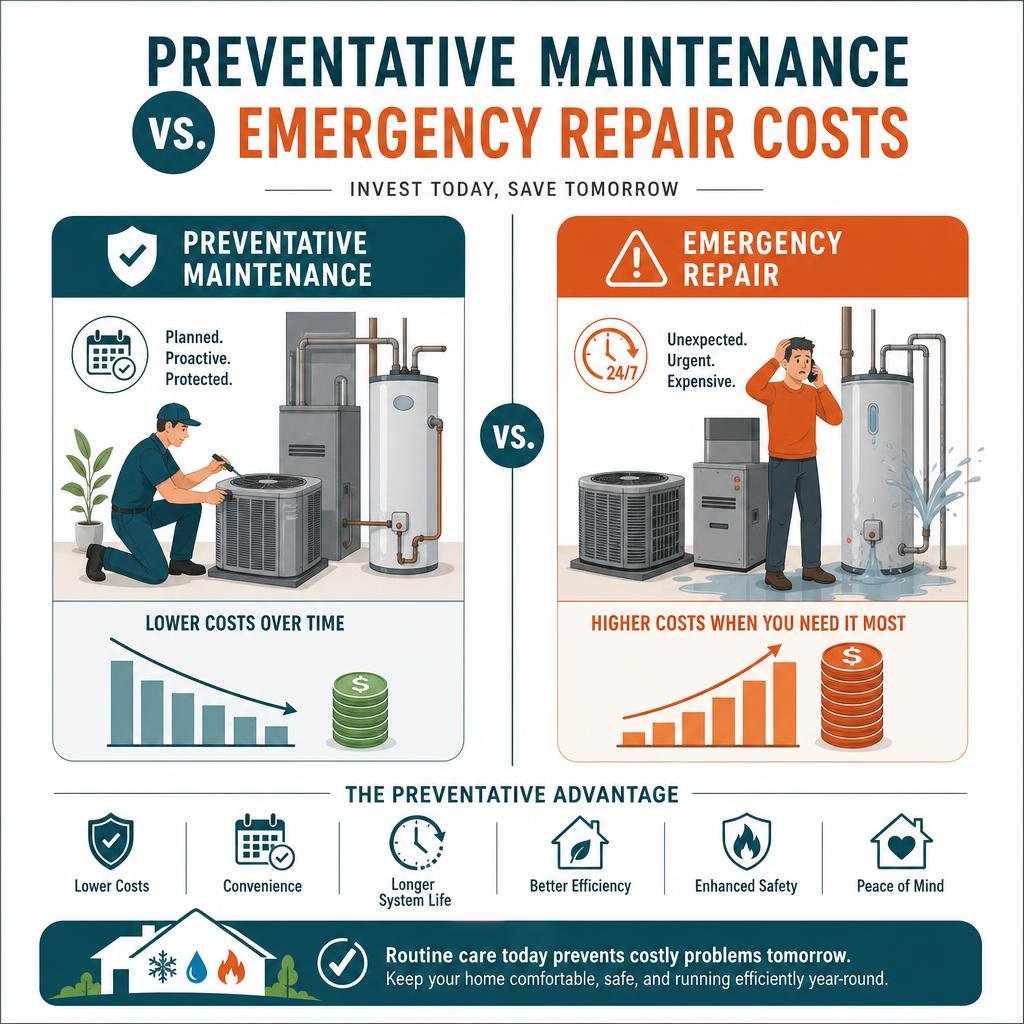
Integrated system maintenance goes beyond simple tune-ups; it involves a holistic assessment of your home’s critical infrastructure. This approach ensures that diagnostic testing is thorough, safety controls are functioning optimally, and indoor air quality is maintained. The contrast between preventative maintenance and emergency repairs is stark, not just in cost but also in convenience and peace of mind.
Aspect Preventative Maintenance Emergency Repair Cost Predictable, lower upfront cost (e.g., service contract) Unpredictable, often higher due to urgency and after-hours rates Convenience Scheduled at your convenience, minimal disruption Disruptive, often unexpected, requires immediate attention System Longevity Extends equipment life, delays replacement Can shorten life due to prolonged stress or catastrophic failure Energy Efficiency Optimizes performance, reduces utility bills No direct impact on efficiency, only restores function Safety Identifies and mitigates hazards proactively Addresses hazards reactively after an incident
Peace of Mind Reduces worry about breakdowns, ensures comfort High stress, uncertainty, discomfort
This infographic clearly illustrates why investing in regular, integrated maintenance is a financially sound decision. It’s about preventing problems before they start, ensuring your home remains a safe and comfortable sanctuary.
Core HVAC Maintenance Under Comprehensive Home Services HVAC and Plumbing
A comprehensive home maintenance plan for your HVAC system encompasses several vital services designed to ensure efficiency, longevity, and healthy indoor air quality. These essential HVAC services include:
- Filter Replacement: Regularly replacing air filters (typically every 1-3 months) is crucial for maintaining airflow, preventing dirt buildup in the system, and improving indoor air quality.
- Refrigerant Level Checks: Ensuring correct refrigerant levels is vital for cooling efficiency. Low levels can indicate a leak and force the system to work harder, increasing energy consumption.
- Duct Cleaning and Inspection: Over time, ducts can accumulate dust, allergens, and even mold. Periodic cleaning and inspection prevent these contaminants from circulating throughout your home and ensure optimal airflow.
- Heat Exchanger Inspection: For heating systems, a cracked heat exchanger can be a dangerous source of carbon monoxide leaks, making thorough inspection a critical safety measure.
- Thermostat Calibration: An accurately calibrated thermostat ensures your system heats and cools precisely to your desired settings, preventing energy waste from over-conditioning.
- Coil Cleaning: Evaporator and condenser coils can accumulate dirt and debris, hindering heat transfer. Cleaning them ensures your system operates at peak efficiency.
- Electrical Connection Checks: Loose or corroded electrical connections can be a fire hazard and impair system performance. Technicians will inspect and tighten these connections.
These core services are fundamental to maintaining an efficient and reliable HVAC system, directly contributing to your home’s comfort and energy savings.
Plumbing Protocols That Protect Energy and Structural Health
Plumbing issues can have a surprisingly significant impact on both your home’s energy efficiency and its structural integrity. Comprehensive plumbing protocols are designed to address these concerns proactively:
- Leak Detection and Repair: Even small, hidden leaks can waste thousands of gallons of water annually, increasing utility bills and potentially causing significant water damage, mold growth, and structural rot. Professional leak detection uses specialized tools to pinpoint these elusive issues.
- Water Pressure Regulation: Maintaining appropriate water pressure is important. Too high, and it can stress pipes and appliances, leading to premature failure and leaks. Too low, and it affects comfort and efficiency.
- Pipe Insulation: Insulating hot water pipes, especially those running through unconditioned spaces, reduces heat loss and ensures hot water arrives faster, reducing energy waste and water consumption.
- Water Heater Sediment Flush: Sediment buildup in the bottom of a water heater reduces its efficiency, forcing it to use more energy to heat water. Regular flushing removes this sediment, extending the unit’s lifespan and improving performance.
- Sewer Line Inspection and Maintenance: Blockages or damage in sewer lines can lead to costly backups, property damage, and health hazards. Regular camera inspections can identify problems early.
By adhering to these plumbing protocols, homeowners can protect their energy bills from unnecessary spikes and safeguard their home’s structural health from the insidious damage water can inflict.
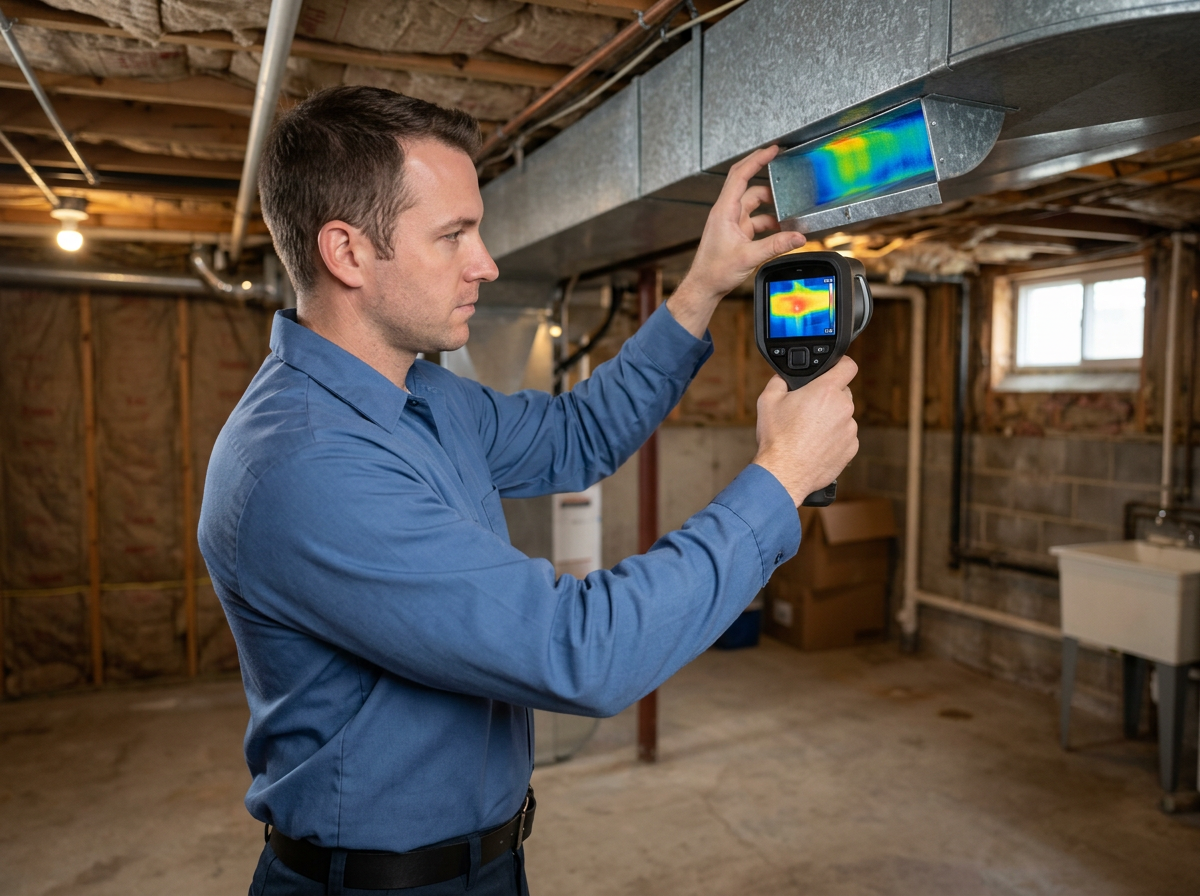
Triage Guide: DIY Troubleshooting vs. Emergency Professional Intervention
Knowing when to tackle a home repair yourself and when to call a professional is crucial for safety and preventing further damage. While some minor issues can be handled by a homeowner, others pose significant safety hazards or require specialized tools and expertise.
Here’s a list of basic DIY maintenance tasks homeowners can typically handle:
- Replacing HVAC filters: A straightforward task that significantly impacts air quality and system efficiency.
- Clearing minor drain clogs: Using a plunger or a simple drain snake for superficial blockages.
- Stopping a running toilet: Often involves adjusting the flapper or fill valve inside the tank.
- Insulating exposed pipes: Especially important in cold climates to prevent freezing.
- Cleaning outdoor condenser units: Gently rinsing off debris from the fins to improve heat exchange.
- Testing smoke and carbon monoxide detectors: Ensuring batteries are fresh and units are functioning.
However, certain problems immediately warrant professional intervention. Issues like gas leaks, refrigerant handling, or burst pipes are not only complex but also carry serious risks. Attempting to fix these without proper training and equipment can lead to injury, extensive property damage, or even fatalities. Always prioritize safety over a DIY attempt when in doubt.
Critical Warning Signs Requiring Immediate Dispatch
Recognizing the signs that demand immediate professional attention can save your home from significant damage and protect your family’s safety. Here are critical warning signs for HVAC and plumbing systems:
- Unusual Noises: Grinding, banging, screeching, or persistent loud humming from your HVAC unit or water heater can indicate a serious mechanical failure.
- Sewage Backup: Any sewage backing up into drains, toilets, or tubs is a clear sign of a major blockage or damage in your main sewer line, requiring urgent professional plumbing service.
- Electrical Burning Smell: A burning smell, especially from your furnace or air conditioner, could indicate an electrical short or overheating components, posing a serious fire risk.
- Rapid Pressure Drop (HVAC): If your AC unit is blowing warm air and the outdoor unit isn’t running, it could be a refrigerant leak, which requires professional handling due to environmental and safety concerns.
- Structural Dampness or Water Stains: Sudden appearance of water stains on ceilings, walls, or floors, or unexplained dampness, points to a hidden leak that could be causing significant structural damage and mold growth.
- No Heat or AC in Extreme Weather: During peak heating or cooling seasons, a complete system failure is an emergency, impacting comfort and potentially health, especially for vulnerable individuals.
- Gas Leaks: The smell of rotten eggs near your furnace or water heater is a strong indicator of a natural gas leak. Evacuate immediately, call your gas company, and then call an emergency HVAC technician.
These signs are not to be ignored. Prompt action can mitigate damage, ensure safety, and often reduce the overall repair cost by preventing secondary issues. For any of these critical problems, contact a qualified professional offering expert home system maintenance without delay.
Seasonal Checklists for Comprehensive Home Services HVAC and Plumbing
Seasonal weather changes significantly impact the performance and maintenance needs of your HVAC and plumbing systems. A proactive seasonal checklist ensures your home is prepared for whatever Mother Nature brings in September 2026.
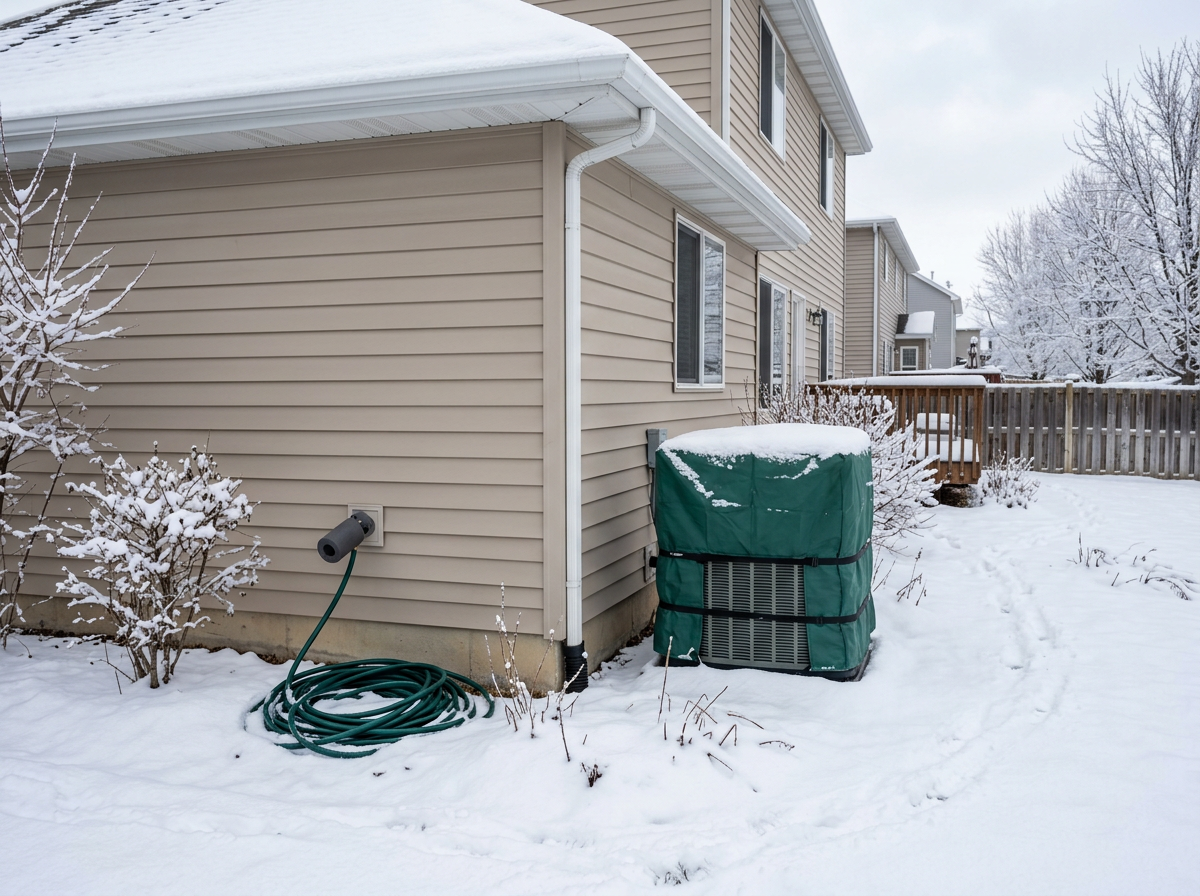
- Winter Freeze Protection (Late Fall):Plumbing: Disconnect garden hoses, drain and winterize outdoor spigots, insulate exposed pipes in unheated areas (attics, crawl spaces, garages). Consider turning off water to vacation homes and draining pipes.
- HVAC: Schedule furnace tune-up, check and replace air filters, ensure thermostat is programmed for winter, clear vents and registers of obstructions.
- Spring Defrost & Prep (Early Spring):Plumbing: Check for leaks after the thaw, especially around outdoor spigots and exposed pipes. Inspect sump pump for proper operation.
- HVAC: Schedule AC tune-up, clean outdoor condenser unit, check refrigerant levels, inspect ductwork for leaks or damage.
- Summer Cooling Load (Late Spring/Early Summer):Plumbing: Monitor water pressure, check for leaks around frequently used fixtures, ensure proper drainage for outdoor areas.
- HVAC: Ensure thermostat is set correctly for cooling, keep blinds and curtains closed during peak sun hours, avoid blocking outdoor unit.
- Autumn Furnace Check (Early Fall):Plumbing: Inspect water heater for sediment buildup and flush if necessary. Check for any slow leaks before colder temperatures make them harder to detect.
- HVAC: Clean around the outdoor unit before it goes dormant, replace furnace filter, test heating system to ensure it’s ready for winter.
By following these seasonal checklists, you can significantly reduce the likelihood of unexpected breakdowns and ensure your systems operate efficiently year-round, adapting to the specific demands of each season.
Frequently Asked Questions
How often should residential HVAC and plumbing systems be professionally inspected?
For optimal performance and longevity, residential HVAC and plumbing systems should ideally undergo professional inspection and servicing on a regular schedule – typically twice a year for heating and cooling, along with annual checks for plumbing. This biannual checkup ensures components are clean, calibrated, and ready for peak demand. Plumbing systems, while generally more robust, benefit greatly from an annual professional inspection. Proactive servicing helps identify potential issues like leaks, corrosion, or sediment buildup before they escalate into costly emergencies. These regular inspections are crucial for preventative maintenance, extending the lifespan of your systems, and maintaining energy efficiency.
What are the main benefits of bundling HVAC and plumbing maintenance contracts?
Bundling HVAC and plumbing services from a single provider offers numerous advantages for homeowners. Firstly, it often leads to consolidated billing and potential multi-system discounts, making maintenance more affordable. Secondly, you typically receive priority dispatch for emergency services, ensuring quicker response times when you need them most. Thirdly, a single provider offers holistic diagnostics, as their technicians understand the interconnectedness of your home’s systems, leading to more accurate problem identification and comprehensive solutions. This integrated approach simplifies home management, reduces stress, and ensures consistent comfort and efficiency.
Which plumbing problems have the largest impact on home energy bills?
Several plumbing issues can significantly inflate your home’s energy bills. A primary culprit is water heater scale buildup, which forces the unit to work harder and consume more energy to heat water. Hot water leaks, even small drips, can waste a substantial amount of heated water, leading to continuous energy consumption as the water heater tries to replenish the lost heat. Poorly insulated pipes or pipe heat loss in unconditioned spaces allow heat to escape before water reaches its destination, causing the water heater to run longer. Lastly, a running toilet can waste thousands of gallons of water annually, which, if it’s a hot water line, directly impacts your energy use. Addressing these issues promptly can lead to noticeable savings on your utility bills.
Conclusion
As we look to September 2026 and beyond, the value of a comprehensive approach to home services, particularly for HVAC and plumbing, cannot be overstated. It is the cornerstone of home longevity, ensuring sustained comfort, operational efficiency, and significant long-term savings. By embracing preventative maintenance and understanding the interconnectedness of your home’s vital systems, you move from a reactive stance to a proactive strategy.
We’ve explored how essential HVAC services, from filter replacement to heat exchanger inspections, are critical for energy efficiency and indoor air quality. We’ve also seen how plumbing issues, such as hidden leaks or sediment buildup, can dramatically impact energy consumption and even structural health. Knowing the signs that demand immediate professional intervention, and understanding the benefits of bundling services, empowers homeowners to make informed decisions. Replacing an older HVAC system with a high-efficiency model can save homeowners 20% to 40% on their annual heating and cooling costs, a testament to the financial wisdom of upgrading and maintaining.
Investing in comprehensive home services is an investment in your home’s future. It protects your comfort, safeguards your finances, and ensures that your living space remains a haven for years to come.


