
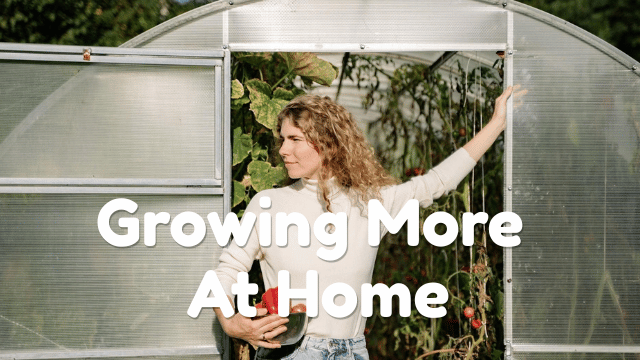
Turning an ordinary backyard into a high-yield food plot takes a bit of smart planning. Simple shifts in how you use your outdoor space can lead to bigger harvests throughout the entire season.
Homeowners can transform standard lawn space into fresh produce hubs with the right strategies. Small changes in garden organization yield impressive results and reduce total maintenance effort.
Optimizing Lawn Space for High Yields
Traditional grass lawns often consume time and water without giving much back in return. Converting underutilized turf into raised beds or dedicated garden rows maximizes every square foot of your property. You can double your annual harvest by swapping empty lawn for high-yield edible plants.
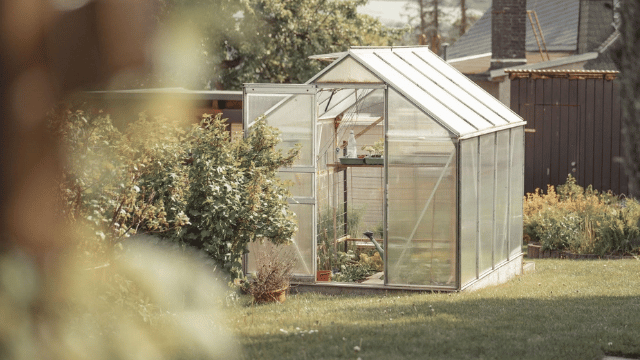
Planning garden structures early helps streamline planting schedules and protect crops as growing conditions change. When comparing greenhouse and high tunnel options, resources at Rimol can provide useful information on different structures, coverings, and growing setups. Choosing a structure that matches your available space and local conditions can make seasonal growing easier to manage.
Layout choices play a massive role in plant health and garden output. Orienting rows from north to south guarantees equal sunlight exposure for every bed throughout the day.
Selecting Plants for Ergonomic Harvesting
Harvesting food should feel comfortable rather than putting unnecessary strain on your back. Placing high-maintenance crops in accessible locations saves energy during daily garden inspections. Thoughtful plant placement makes routine care and watering much simpler for growers of all ages.
A publication pointed out that berry shrubs like blueberries and strawberries thrive when planted along paths or atop low retaining walls for ergonomic picking. Elevating these crops keeps fruit clean and within easy reaching distance.
Smart positioning creates a seamless flow between main walkways and active planting zones. Every daily stroll through the yard becomes an effortless opportunity to gather fresh ingredients.
Extending Seasons With Simple Plant Protection
Cold weather does not have to put an end to your fresh food production for the year. Protective covers shield tender plant leaves from sudden drops in temperature during late fall. Simple physical barriers keep soil warmer during unpredictable chilly nights.
One garden guide highlighted that even in colder climates, you can extend your growing seasons with protection like frost cloth, floating row covers, or even cold frames. Versatile tools act as microclimates for delicate salad greens and root vegetables.
Installing protective covers requires minimal effort and pays off quickly with extended harvests. Gardeners continue picking fresh spinach and kale long after neighboring outdoor plots close down for the season.
Building Healthy Soil Structure
Rich soil forms the true foundation of any productive vegetable plot. Adding organic compost regularly supplies necessary nutrients directly to hungry plant roots. Healthy biological activity in dirt keeps crops resilient against common diseases and environmental stress.
Regular mulching retains ground moisture and blocks unwanted weed growth effectively. Straw or shredded leaves cover exposed dirt to stop rapid moisture evaporation on hot afternoons. Less water evaporates under thick mulch layers, keeping soil damp between waterings.
Testing soil chemistry reveals exact nutrient requirements before the planting season begins. Balanced pH levels help plants absorb key elements like nitrogen and phosphorus efficiently.
Smart Irrigation and Water Management
A consistent watering schedule keeps plants growing rapidly without experiencing moisture stress. Drip systems deliver moisture straight to plant roots with minimal surface runoff. Direct delivery saves water and keeps leafy foliage dry and disease-free.
Installing rainwater collection barrels captures free water directly from roof gutters. Stored rainwater provides pure moisture free from chlorine and other city treatment chemicals. Collecting natural runoff reduces municipal water bills during dry summer months.
Using efficient watering methods improves garden productivity in several key ways:
- Drip lines prevent fungal growth on leaves
- Timers automate deep soaking during early morning hours
- Soaker hoses soak root zones directly without wasteful evaporation
Vertical Gardening for Tight Spaces
Growing upward opens up massive growing capacity in smaller yards. Trellises support climbing crops like cucumbers, pole beans, and indeterminate tomatoes. Vertical structures double your available planting surface without taking up extra ground space.
Wall-mounted planters turn unused fences and bare walls into productive green spaces. Leafy greens thrive in narrow vertical pockets positioned along sunny property boundaries. Compact spaces yield impressive amounts of fresh produce with adequate sunlight exposure.
Heavy fruits like winter squash require extra support when climbing vertical lattices. Cloth slings cushion growing produce so heavy vines do not snap under weight. Vertical arrangements increase airflow around foliage to naturally deter pests and mildews.
Creating a high-output garden requires practical choices and consistent care. Transforming your backyard into an edible haven provides fresh food right outside your back door.
Start with small adjustments to your available space and expand as your confidence grows. Thoughtful organization turns any yard into a thriving food center for months to come.


