
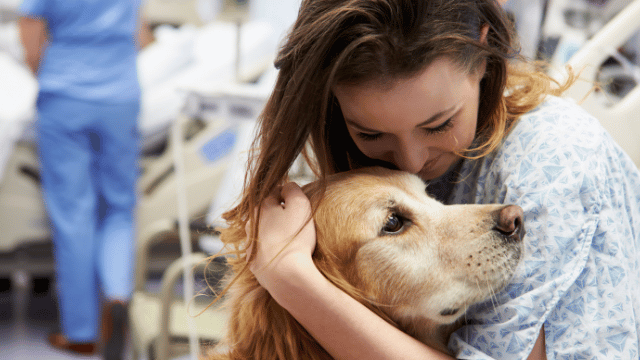
For many families, pets are far more than animals sharing the house. They are part of everyday routines, family traditions and the emotional fabric of home. That relationship can become especially meaningful when someone enters addiction treatment or begins rebuilding life in recovery. Research into human-animal relationships has linked pet companionship with benefits involving social connection, physical activity and emotional well-being. A dog or cat cannot treat addiction, but the routines and relationships surrounding pet ownership may provide useful support during a period when stability matters.
Familiar Companionship During Change
Entering treatment can mean leaving behind nearly every familiar part of daily life. For parents, that may include spending time away from children, a spouse, the family home and a beloved pet. Even when treatment is clearly needed, separation from an animal can create another source of worry.
For that reason, some people may consider pet friendly rehab in Orange County, Miami or another idyllic location when comparing treatment options. Being able to bring an animal along can solve a practical problem for someone who does not have reliable temporary pet care. It may also provide a familiar source of companionship during a major life transition.
That does not mean bringing a pet is always the best choice. Treatment programs have different policies, and some environments are better suited to animals than others. A person’s medical needs and ability to care for an animal also matter. Families should consider what arrangement will be healthiest for everyone rather than assuming that staying together is automatically preferable.
Routine Can Support Stability
Recovery often involves rebuilding ordinary habits that may have become inconsistent during active substance use. Sleep schedules, meals, exercise, appointments and household responsibilities can all become part of creating a more predictable daily life.
Pets are surprisingly good at enforcing schedules. A dog does not care that someone would rather sleep until noon when it needs to go outside. Cats tend to have similarly strong opinions about breakfast. Those everyday responsibilities can provide natural structure without making every part of the day feel like another treatment assignment.
Dogs may provide another benefit by encouraging regular physical activity. Walking provides movement, fresh air and a reason to leave the house. Research examining human-animal interaction has found associations between dog ownership and increased physical activity, although individual experiences vary.
There is also value in simply being responsible for another living creature. Feeding, walking, grooming and caring for an animal require consistency. During recovery, those small responsibilities can become tangible reminders that everyday actions matter.
Connection Without Complicated Expectations
Relationships can feel complicated during addiction recovery. Some friendships may change because they revolved around drinking or substance use. Family relationships may require time and effort to rebuild. Someone who is newly in recovery can therefore feel isolated even when supportive people surround them.
Animals offer companionship without many of the social pressures attached to human relationships. A pet does not ask someone to explain previous behavior or provide a timeline for feeling better. For a person navigating a major transition, that familiar presence can be comforting.
Pets may even encourage greater interaction with other people. Anyone who has walked a friendly dog through a neighborhood knows how easily animals start conversations. Trips to parks, walking trails and other pet-friendly spaces can create casual opportunities for social contact without the pressure of a formal gathering.
Still, pets should complement human support rather than replace it. Professional treatment, healthy relationships and recovery communities can address needs an animal simply cannot.
Know When More Help Matters
It is tempting to view every positive lifestyle change as evidence that recovery is going perfectly. Families should resist that assumption. A person can adore a pet, maintain a walking schedule and still experience significant challenges with substance use.
Loved ones should remain aware of warning signs that additional support may be needed. Major behavioral changes, abandoning treatment plans, pulling away from supportive relationships or returning to routines strongly associated with previous substance use can deserve attention.
Pet care itself can sometimes reveal that a person is struggling. Someone who previously cared carefully for an animal but suddenly stops feeding, walking or attending to its basic needs may be having difficulty managing everyday responsibilities. One change alone does not prove what is happening, but noticeable shifts can provide a reason for a compassionate conversation.
Families should also have a backup plan for the animal. If someone needs a higher level of care or becomes temporarily unable to handle pet responsibilities, knowing who can step in prevents another stressful decision during an already difficult period.
Building Life After Treatment
The transition home can be one of the most important stages of recovery. Structured treatment may provide predictable schedules and regular support, while home introduces work, parenting, bills, relationships and familiar stressors again.
Pets can become part of establishing a healthier rhythm. Morning walks can encourage earlier starts. Feeding schedules add consistency. Evening walks can replace old routines centered around alcohol or other substances. Caring for an animal also provides an immediate reason to remain engaged with daily life.
For parents, these routines can blend naturally into family life. Children can join dog walks, help prepare pet food or spend time playing outside together. Those ordinary moments can help a household establish new patterns without making recovery the subject of every family interaction.
A pet cannot provide addiction treatment, and families should never expect one to carry that responsibility. What animals can offer is simpler: companionship, movement, routine and a reason to show up every day. During recovery, those ordinary things can have genuine value.


