
Understanding Common Household Air Pollutants and Health Risks
The air inside our homes can often be more polluted than the air outside, a surprising fact given how much time we spend indoors. Various contaminants, many of which are invisible, can accumulate and significantly impact our health and overall living comfort. Understanding these common residential air pollutants and their distribution pathways is the first step toward creating a healthier indoor environment.
Identifying Common Indoor Air Contaminants
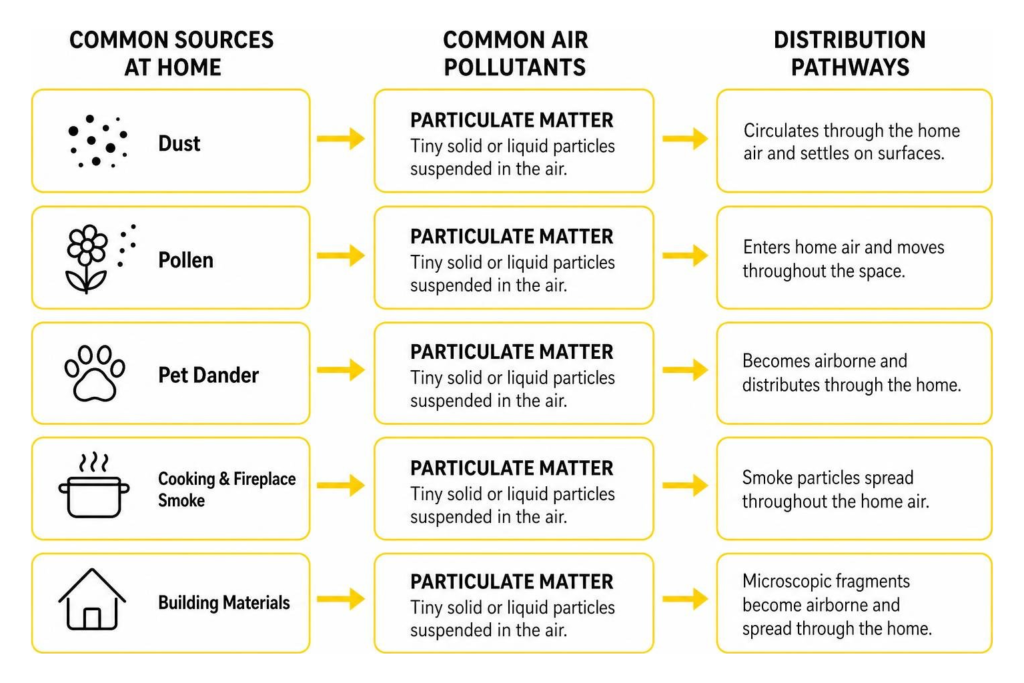
Our homes are filled with potential sources of indoor air pollution. These can range from everyday activities to the very materials our houses are built from.
- Particulate Matter: These are tiny solid or liquid particles suspended in the air. Sources include dust, pollen, pet dander, smoke from cooking or fireplaces, and even microscopic fragments from building materials. Inhaling particulate matter can irritate the respiratory system and exacerbate conditions like asthma.
- Volatile Organic Compounds (VOCs): These gases are emitted from certain solids or liquids and can have short- and long-term adverse health effects. Common sources include paints, varnishes, cleaning supplies, aerosol sprays, air fresheners, building materials, and even new furniture and carpeting. Exposure can cause headaches, nausea, and damage to the liver, kidneys, and central nervous system.
- Biological Contaminants: This category includes living organisms or their byproducts. Mold spores, bacteria, viruses, dust mites, and pet dander are common examples. These can trigger allergic reactions, asthma attacks, and other respiratory illnesses.
- Combustion Gases: Appliances that burn fuel, such as gas stoves, furnaces, water heaters, and fireplaces, can release combustion byproducts like carbon monoxide (CO) and nitrogen dioxide (NO2). Carbon monoxide is particularly dangerous as it is odorless and colorless, leading to severe health issues or even death.
- Humidity Imbalances: Both excessively high and low humidity levels can contribute to poor indoor air quality. High humidity encourages mold and dust mite growth, while low humidity can dry out mucous membranes, making individuals more susceptible to respiratory infections.
How Poor Air Circulation Affects Daily Comfort
Beyond the presence of pollutants, the way air moves (or doesn’t move) within our homes plays a critical role in indoor air quality. Poor air circulation can turn a minor issue into a significant problem.
Stagnant air, for instance, allows pollutants to concentrate rather than dissipate. This means that instead of fresh air cycling through, you’re continuously breathing air laden with allergens, dust, and VOCs. This can lead to a feeling of stuffiness, unpleasant odors, and a general lack of freshness in your home.
High concentrations of allergens, such as pollen and pet dander, can remain suspended in poorly circulated air for extended periods, triggering more frequent and severe allergy flare-ups. For those with asthma, this can be particularly problematic, leading to increased symptoms and discomfort.
Poor air circulation can also disrupt sleep. A stuffy bedroom with stale air can make it harder to fall asleep and stay asleep, impacting overall rest and well-being. Furthermore, without proper ventilation, humidity spikes can occur, especially in areas like bathrooms and kitchens, fostering an ideal environment for mold and mildew growth. This not only damages surfaces but also releases more biological contaminants into the air.
Comprehensive Indoor Air Quality Services for Modern Homes
Addressing indoor air quality effectively often requires a professional, holistic approach. Modern homes, with their tighter seals and energy-efficient designs, can inadvertently trap pollutants inside, making expert intervention crucial. We understand that your home is a significant investment, and ensuring its air is healthy is paramount. This is where comprehensive indoor air quality (IAQ) services come into play, offering solutions from ventilation diagnostics to central purification systems.
For those seeking exceptional care for their home’s vital systems, understanding the dedication of a company that treats your property like their own is key. Such businesses often provide comprehensive heating and air quality services, reflecting a deep commitment to your comfort and well-being.
Essential Types of Indoor Air Quality Services
A range of specialized services exists to target specific indoor air quality challenges:
- Ventilation Diagnostics: Professionals can assess your home’s airflow, identifying areas of poor circulation and recommending solutions like improved exhaust fans or balanced ventilation systems.
- Central Air Purification Systems: These systems integrate directly with your existing HVAC unit to clean all the air circulating through your home. Options include:
- HEPA Filtration: High-Efficiency Particulate Air (HEPA) filters are renowned for capturing 99.97% of airborne particles as small as 0.3 microns, including dust, pollen, mold spores, and pet dander.
- Media Cleaners: These advanced filters offer superior filtration compared to standard furnace filters, capturing smaller particles without significantly impeding airflow.
- UV Germicidal Lamps: Installed within your HVAC system’s ductwork or near the evaporator coil, UV lamps use ultraviolet light to kill airborne bacteria, viruses, mold, and other biological contaminants as air passes through.
- Whole-Home Dehumidification: For homes struggling with excessive humidity, whole-home dehumidifiers work in conjunction with your HVAC system to maintain optimal humidity levels throughout the entire house, preventing mold growth and enhancing comfort.
- Humidity Balance Systems: Beyond dehumidification, some systems can also add moisture during dry periods, ensuring a balanced humidity level year-round, which is crucial for respiratory health and preserving wood furnishings.
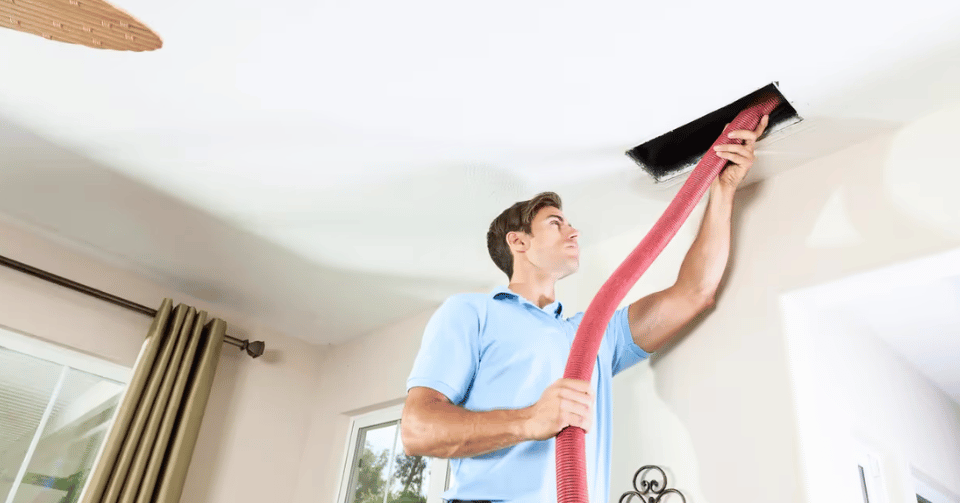
- Duct Maintenance and Cleaning: Over time, dust, debris, allergens, and even mold can accumulate within your ductwork. Professional duct cleaning removes these contaminants, improving airflow and preventing them from being recirculated into your living spaces.
- Energy Recovery Ventilators (ERVs) and Heat Recovery Ventilators (HRVs): These systems introduce fresh outdoor air while simultaneously exhausting stale indoor air. They are designed to recover energy from the outgoing air to pre-condition the incoming air, making them highly energy-efficient solutions for constant fresh air supply.
- System Optimization: This involves fine-tuning your existing HVAC system and integrating new IAQ components to work seamlessly together, ensuring maximum efficiency and effectiveness in maintaining air quality.
When to Schedule Professional Indoor Air Quality Services
Knowing when to call in the experts can prevent minor issues from escalating. Consider scheduling professional IAQ services in the following situations:
- Seasonal Transitions: As seasons change, so do indoor air challenges. Spring brings pollen, while winter often means closed windows and recirculated indoor air. Proactive checks can prepare your home.
- Post-Renovation Cleanup: Construction and remodeling projects generate significant dust, VOCs from new materials, and other airborne particles. An IAQ service can help clear the air quickly and thoroughly.
- Persistent Odors: If you notice lingering musty, stale, or chemical odors that don’t dissipate with cleaning, it could indicate a deeper IAQ problem requiring professional assessment.
- Family Allergy Flare-Ups or Respiratory Issues: An increase in allergy symptoms, asthma attacks, or general respiratory discomfort among household members can be a strong indicator of poor indoor air quality.
- High Humidity Levels: Visible signs of condensation on windows, dampness, or the presence of mold growth are clear signals that your home’s humidity balance needs professional attention.
Whole-Home Solutions vs. Portable Air Cleaners
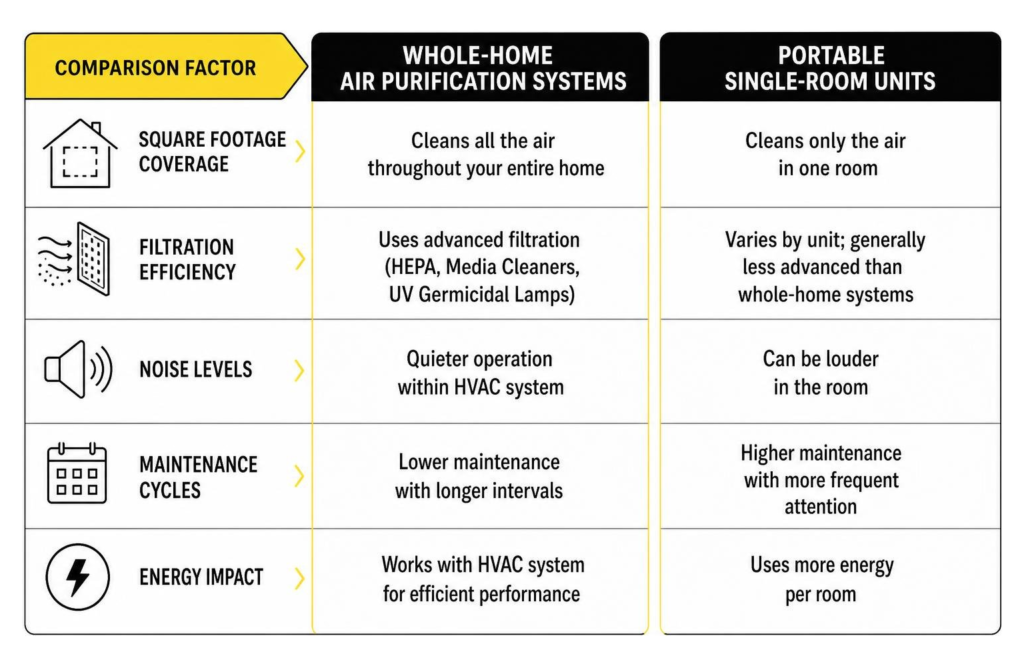
When considering how to improve the air quality in your home, you’ll generally encounter two main categories of solutions: whole-home systems and portable air cleaners. Each has its advantages and is suited for different needs. Understanding their differences in terms of square footage coverage, filtration efficiency, noise levels, maintenance cycles, and energy impact is crucial for making an informed decision.
Whole-House Integration Benefits
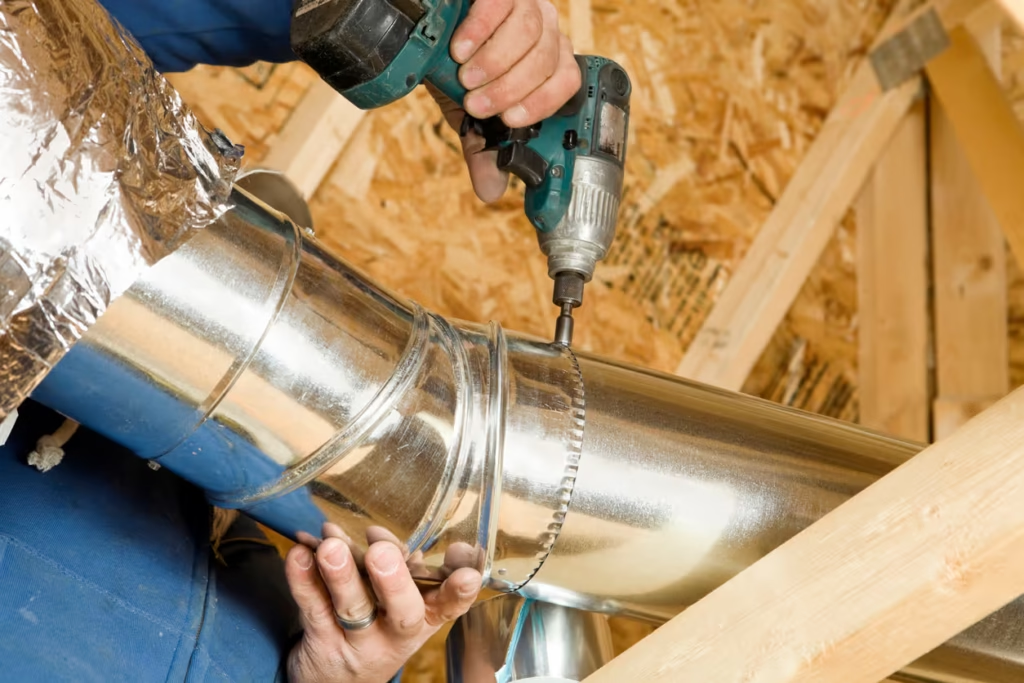
Whole-home air purification systems are designed to integrate directly with your existing heating, ventilation, and air conditioning (HVAC) system. This seamless integration offers a host of benefits that portable units simply cannot match.
- HVAC Integration: By working with your central HVAC system, these purifiers treat all the air that circulates through your home. This means cleaner air is delivered to every room, not just where a portable unit is placed.
- Continuous Operation: Whole-home systems operate whenever your HVAC system runs, providing continuous air cleaning without requiring you to move units or remember to turn them on.
- Uniform Air Cleaning: Because the air is filtered at a central point, you achieve uniform air quality throughout your entire living space. This eliminates hot spots of pollution and ensures consistent comfort and health benefits across all rooms.
- Hidden Equipment: Unlike portable units that can be bulky and take up floor space, whole-home systems are installed out of sight within your ductwork or near your furnace, maintaining the aesthetics of your home.
- Superior Filtration: Many whole-home systems, especially those utilizing HEPA filters or advanced media cleaners, offer significantly higher filtration efficiency than most portable units, capturing a broader range of smaller particles and contaminants.
Room-Specific Purification Needs
While whole-home solutions offer comprehensive benefits, portable air cleaners still have their place, particularly for room-specific purification needs or as a supplementary measure.
- Spot Treatment: Portable units are excellent for targeting specific areas where air quality might be a particular concern, such as a nursery, a bedroom for someone with severe allergies, or a home office.
- Localized Filtration: If you have a specific source of pollution in one room (e.g., a pet’s sleeping area, a craft room with fumes), a portable unit can provide localized relief by filtering the air directly in that space.
- Bedroom Placement: Many people find portable units beneficial in bedrooms to ensure the cleanest possible air during sleep, especially if they suffer from nighttime allergies or respiratory issues.
- Targeted Relief: For individuals who need immediate, focused air purification without the investment or installation of a whole-home system, portable units offer an accessible solution. They are easy to set up and move as needed. However, their effectiveness is limited to the immediate area, and they do not impact the air quality in the rest of the house.
Practical Daily Habits to Protect Your Indoor Breathing Space
While professional indoor air quality services and whole-home systems offer robust solutions, many effective strategies for maintaining healthy indoor air begin with simple, consistent daily habits. By focusing on source control, smart airflow habits, green cleaning practices, moisture management, and routine housekeeping, we can significantly reduce our exposure to pollutants and enhance our home’s breathing space.
Proactive Source Control and Cleaning Routines
Managing pollutants at their source and adopting diligent cleaning practices are fundamental to good indoor air quality.
- HEPA Vacuuming: Regular vacuuming is essential, but using a vacuum cleaner equipped with a HEPA filter is even better. This type of filter traps tiny particles like dust mites, pet dander, and pollen, preventing them from being recirculated into the air. Focus on carpets, rugs, and upholstery where allergens tend to accumulate.
- Micro-fiber Dusting: Instead of just moving dust around with a feather duster, use damp micro-fiber cloths. These cloths effectively capture and hold dust particles, preventing them from becoming airborne. Dust surfaces regularly, including shelves, electronics, and fan blades.
- Chemical-Free Cleaners: Many conventional cleaning products contain volatile organic compounds (VOCs) that can degrade indoor air quality. Opt for natural or chemical-free cleaning alternatives, such as vinegar, baking soda, or commercially available “green” cleaning products, to minimize chemical emissions.
- Moisture Mitigation: Address any leaks or water damage immediately to prevent mold growth. Ensure proper ventilation in bathrooms and kitchens to reduce humidity. Clean up spills promptly and avoid leaving damp towels or clothes to sit for long periods.
- Regular Filter Replacement: One of the simplest yet most effective habits is regularly replacing your HVAC system’s air filters. A dirty filter restricts airflow and becomes a breeding ground for dust and allergens. Check your filter monthly and replace it every 1-3 months, depending on filter type, household activity, and the presence of pets.
Balancing Fresh Air Ventilation and Energy Efficiency
Introducing fresh air into your home is crucial for diluting indoor pollutants, but it needs to be done thoughtfully to maintain energy efficiency.
- Mechanical Ventilation: Modern homes often benefit from mechanical ventilation systems like exhaust fans in bathrooms and kitchens, which effectively remove moisture and odors. Energy Recovery Ventilators (ERVs) and Heat Recovery Ventilators (HRVs) provide controlled fresh air intake while minimizing energy loss.
- Open Windows (When Appropriate): On days with low outdoor pollution and comfortable temperatures, opening windows for short periods can provide natural ventilation, flushing out stale indoor air. Be mindful of pollen counts and outdoor air quality advisories.
- Use Exhaust Fans: Always use exhaust fans in bathrooms during and after showers, and in kitchens when cooking, to remove moisture, odors, and combustion byproducts at their source.
- Balanced Airflow: Ensure that your home’s HVAC system is balanced, meaning that the amount of air supplied to a room is roughly equal to the air returned. This prevents pressure imbalances that can draw in unfiltered air or create dead zones.
- Thermal Retention: When ventilating, aim for short, effective bursts rather than leaving windows open for extended periods, especially during extreme temperatures. This allows for air exchange without significantly impacting your home’s indoor temperature and energy consumption.
Frequently Asked Questions About Home Air Quality
As we strive for better indoor wellness, many questions arise regarding diagnostic testing, filter maintenance, and the overall impact of air quality on our homes and health. Here, we address some of the most common inquiries to help you make informed decisions.
How often should home air filters be replaced?
The frequency of air filter replacement depends on several factors, not just a universal timeline. While a general guideline is every 1-3 months, consider these specifics:
- Filter Thickness and Type: Thicker filters (e.g., 4-inch or 5-inch) with higher MERV ratings can often last longer than standard 1-inch filters because they have more surface area to capture particles. However, they also require systems designed for them.
- MERV Rating: A higher Minimum Efficiency Reporting Value (MERV) rating indicates better filtration, but can also lead to quicker clogging if not regularly inspected.
- Pet Presence: Homes with pets typically need more frequent filter changes (every 1-2 months) due to increased pet dander and hair.
- Occupancy Levels: More people living in a home generally means more dust and activity, necessitating more frequent changes.
- Allergies or Respiratory Conditions: If anyone in your household suffers from allergies, asthma, or other respiratory issues, changing filters monthly can significantly improve their comfort.
- Airflow Restrictions: A visibly dirty filter or reduced airflow from your vents are clear signs it’s time for a change, regardless of the last replacement date.
Regular inspection is key; if a filter looks dirty, replace it.
What are the earliest signs of compromised indoor air?
Your home often provides subtle clues when its indoor air quality is declining. Recognizing these early signs can prompt timely action:
- Morning Congestion or Headaches: Waking up with a stuffy nose, sore throat, or a headache that dissipates shortly after leaving the house can indicate poor air quality overnight.
- Persistent Dust Layers: If dust seems to accumulate unusually quickly, it might suggest an inefficient filtration system or excessive particulate matter in the air.
- Musty or Stale Odors: Lingering odors that don’t go away with cleaning, especially musty smells, can point to mold growth or poor ventilation.
- Static Buildup: Excessive static electricity in your home, particularly during drier months, can be a sign of very low indoor humidity, which affects respiratory comfort.
- Window Condensation: Consistent condensation on the inside of your windows, especially in cooler weather, indicates high indoor humidity that isn’t being properly managed.
- Irritated Eyes, Nose, or Throat: Persistent irritation without an obvious cause can be a reaction to airborne chemicals (VOCs) or allergens.
Can improving air quality reduce household energy costs?
Surprisingly, yes! Improving your home’s air quality can often lead to tangible reductions in energy costs through several mechanisms:
- Coil Cleanliness: When your HVAC system’s evaporator coil (inside the indoor unit) is clean, it can exchange heat more efficiently. Air purification systems, especially those that capture fine particles, prevent dust and debris from accumulating on these coils, allowing your system to run more effectively and use less energy.
- Airflow Optimization: Clean filters and ductwork ensure unrestricted airflow. When airflow is hampered by dirty filters or clogged ducts, your HVAC system has to work harder to push air through, consuming more electricity. Improved air quality measures ensure optimal airflow, reducing strain on your system.
- Reduced Static Pressure: A well-maintained system with clean components and efficient filters operates with lower static pressure. This means the fan motor doesn’t have to exert as much effort, leading to energy savings and extending the life of the motor.
- Equipment Longevity: When your HVAC system runs efficiently without undue strain, its components last longer. This reduces the frequency of costly repairs and premature system replacement, saving you money in the long run.
- System Efficiency: Overall, a system that is clean and operating with optimal air quality components is a more efficient system. It can reach desired temperatures faster and maintain them with less effort, directly translating to lower utility bills.
Conclusion
Improving your home’s indoor air quality is a holistic endeavor that significantly impacts your family’s health, comfort, and even your home’s energy efficiency. From understanding the insidious nature of common pollutants like particulate matter and VOCs to implementing advanced whole-home purification systems, each step contributes to a healthier living environment.
We’ve explored the benefits of professional IAQ services, the distinctions between whole-home and portable solutions, and practical daily habits that empower you to take control of your indoor air. Whether it’s through regular filter changes, proactive source control, or investing in a comprehensive ventilation system, a commitment to cleaner air is an investment in long-term wellness.
Ensuring your home’s air is clean and fresh is about creating a sanctuary where you and your loved ones can breathe easier and live more comfortably. By taking a proactive approach and leveraging expert solutions, you can achieve lasting comfort and peace of mind in your space.


