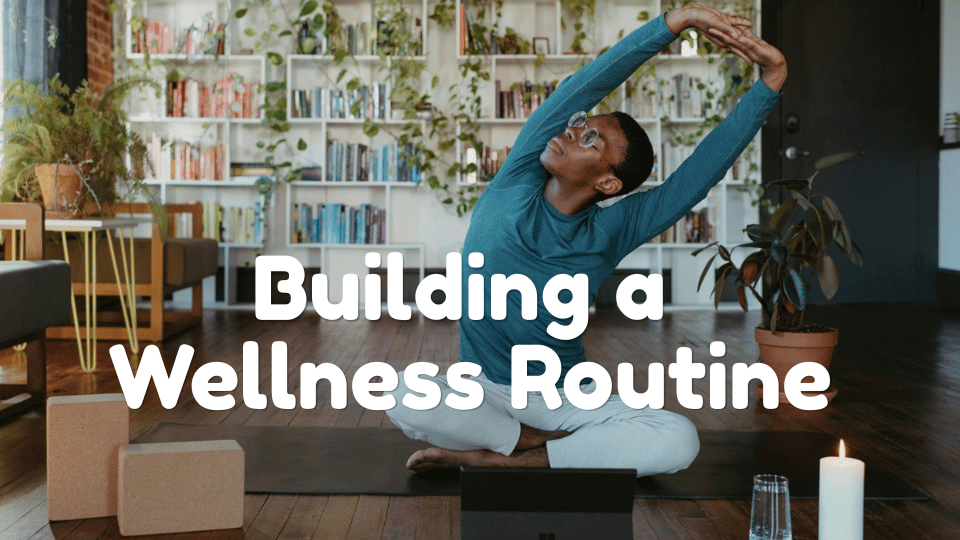
Most people only think about their health when something goes wrong: a nagging cough, a sore back, a stress headache that won’t quit. But the habits that keep you feeling good are built long before problems appear. A balanced wellness routine combines regular medical care, healthy daily choices, and time to recover. Here’s how to put the pieces together.
Why Prevention Beats Reaction
Treating a problem late is usually harder, costlier, and more disruptive than catching it early. Preventive care includes routine checkups, screenings, vaccinations, and simple lifestyle choices. It helps you spot warning signs such as high blood pressure or elevated cholesterol, which often cause no symptoms at first.
The Foundation: Regular Medical Care
A trusted healthcare provider is the base of any wellness plan. Look for a practice that offers clear communication, convenient appointments, and a range of services under one roof. Reviewing how a clinic such as Ultimate medical health presents its services is a practical way to see what kind of care and support you can expect before you book.
General guidelines for adults often include:
- An annual physical or wellness exam
- Blood pressure and cholesterol checks
- Age-appropriate screenings
- Up-to-date vaccinations
- Dental and eye exams
Your doctor can tailor this list to your age, family history, and risk factors.
Nutrition That Works in Real Life
You don’t need a strict diet to eat well. Focus on consistency instead of perfection:
- Fill half your plate with vegetables and fruit at most meals.
- Choose whole grains over refined ones when possible.
- Include protein such as fish, beans, eggs, poultry, or tofu.
- Limit sugary drinks and heavily processed snacks.
- Drink water throughout the day rather than waiting until you feel thirsty.
Meal prepping on a weekend can make healthy choices easier during busy weeks.
Movement You’ll Actually Stick With
Most adults benefit from about 150 minutes of moderate activity per week, plus strength training twice a week. That might mean brisk walks, cycling, swimming, or a home workout. The best exercise is the one you enjoy enough to repeat. Start small, even ten minutes a day, and build gradually.
Sleep: The Overlooked Health Habit
Poor sleep affects mood, focus, immunity, and weight. To improve it:
- Keep a consistent bedtime and wake time.
- Dim lights and put screens away an hour before bed.
- Keep the bedroom cool, dark, and quiet.
- Limit caffeine in the afternoon and evening.
If you struggle with sleep for weeks, talk to your doctor, since underlying conditions can play a role.
Stress Management and Recovery
Chronic stress contributes to headaches, muscle tension, digestive problems, and poor sleep. Recovery time isn’t a luxury; it’s part of staying healthy. Helpful practices include deep breathing, journaling, time outdoors, and hobbies that take your mind off work.
Some people also schedule periodic pampering as part of their routine. Visiting a day spa for a massage, facial, or relaxing treatment can be a pleasant way to unwind and make rest feel intentional. Treat it as one tool among many, not a substitute for medical care.
Tracking Your Progress
Small measurements keep you motivated. Consider tracking:
- Energy levels throughout the day
- Sleep quality and duration
- Weekly activity minutes
- Mood and stress levels
- Checkup results over time
Even a simple notebook or phone app can show patterns you’d otherwise miss.
Common Mistakes to Avoid
- Skipping checkups because you feel fine
- Trying to change everything at once, which often leads to burnout
- Relying on supplements instead of balanced meals
- Ignoring persistent symptoms in hopes they’ll go away
- Comparing yourself to others instead of focusing on your own progress
Building a Sustainable Routine
Choose one or two habits to start, such as a daily walk and a consistent bedtime. Once those feel natural, add another. Schedule your checkups and relaxation time the same way you’d schedule any important appointment. Progress that fits your real life lasts far longer than an intense short-term plan.
Final Thoughts
Good health is built through steady, ordinary choices: seeing your doctor regularly, eating well, moving often, sleeping enough, and making room to recharge. Start with small steps, stay consistent, and adjust as your needs change. Your future self will thank you.