
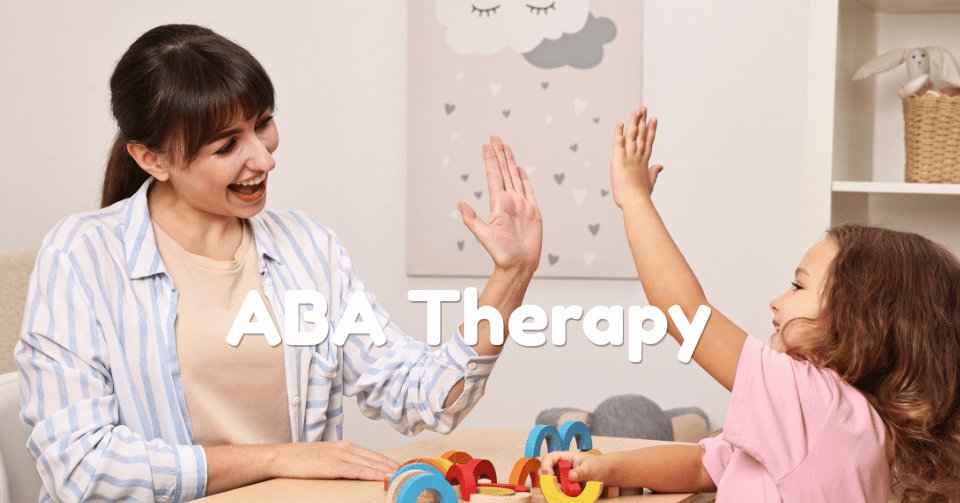
An ABA therapy program helps children practice skills that support communication, independence, safety, and participation in daily routines. Effective teaching connects each skill to situations children encounter at home, in school, and in the community. Therapists observe how a child responds, break tasks into manageable steps, and reinforce progress consistently. This practical focus helps children use new skills beyond therapy sessions, beginning with how instruction reflects everyday life.
Learning Through Everyday Routines
Children learn more effectively when lessons connect with familiar activities. A therapist might teach a child to request a snack, follow a simple direction, wait for a turn, or move between activities. Each skill has a clear purpose, so practice feels relevant rather than separate from daily life. Center-based programs create regular opportunities to rehearse these behaviors. Children can practice during circle time, group snacks, lunch, music, arts and crafts, and peer play. These routines resemble a school day and give therapists several settings for observing progress.
Families seeking ABA therapy in Mount Greenwood can look for a program that connects individual instruction with group activities. A useful program teaches children to communicate needs, follow directions, tolerate transitions, and participate with peers. Therapists then repeat those skills across different routines, people, and materials so children can use them outside the center.
Breaking Skills Into Manageable Steps
Many everyday tasks contain several smaller actions. Washing hands requires walking to the sink, turning on the water, using soap, rinsing, drying, and putting away the towel. An ABA therapist teaches each step in sequence and provides support where the child needs it.
This approach makes progress easier to observe. If a child completes the first four steps independently but needs help drying, the therapist can focus practice on that part. As performance improves, the therapist reduces prompts so the child completes more of the routine alone.
The same method applies to dressing, toothbrushing, toileting, cleaning up, and completing classroom tasks. Children build independence through repeated practice, clear expectations, and reinforcement for accurate responses.
Building Communication That Serves a Purpose
Communication instruction focuses on helping children express needs, choices, feelings, and ideas. A child might learn to request a preferred item, ask for help, answer a question, or indicate that a break is needed.
Speech-language pathologists can support children who need additional help with expressive or receptive language. ABA therapists reinforce communication during real activities, such as asking for materials during an art project or requesting a turn during a game.
Functional communication also reduces frustration because children gain reliable ways to influence what happens around them. Therapists teach communication forms that match each child’s abilities and daily needs.
Practicing Social and Safety Skills
Peer activities give children structured practice with turn-taking, sharing, social cues, and problem-solving. A therapist can prompt a child to wait, respond to a peer, or request a preferred toy appropriately. Group practice helps children apply these behaviors with people beyond their primary therapist.
Safety instruction focuses on behaviors that protect children in familiar environments. Lessons can cover stopping when told, staying near an adult, recognizing danger, and following street or car safety rules. Therapists practice these responses repeatedly and reinforce correct decisions.
Measuring Progress Across Settings
A useful ABA program tracks observable behaviors rather than relying on general impressions. Therapists record whether a child completes a task independently, responds after a prompt, communicates a request, or participates for a set period.
Regular data helps the treatment team adjust instruction. A child who succeeds in a quiet room may need more practice in a group setting. Another child may know a routine at the center but need support using it at home.
Generalization becomes the practical goal. Children need to use communication, self-care, social, and safety skills with different people, materials, and surroundings.
Conclusion
An ABA therapy program teaches real skills by linking instruction to routines children already encounter. Therapists break tasks into steps, reinforce useful responses, and practice behaviors across individual and group activities. Families can evaluate a program by asking how it measures independence, supports communication, includes peer practice, and prepares children for home and school routines. The next step is to discuss a child’s daily needs with a qualified therapy team and identify measurable goals.


