
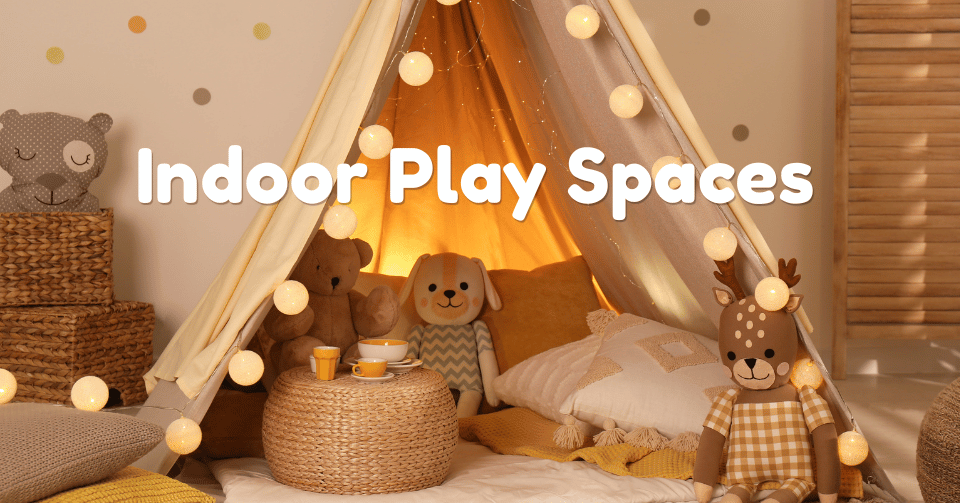
When the heat index spikes or an afternoon storm rolls through, parents need a backup plan that keeps kids moving. In warm, coastal cities, families often turn to indoor options—like an indoor playground jacksonville provides—so children can stay active no matter what’s happening outside. These spaces do more than pass the time; they support physical health, social skills, and emotional regulation in ways that matter for long-term development. Here’s a closer look at how indoor play environments contribute to healthy growth, and what caregivers should keep in mind when choosing one.
The Developmental Benefits of Indoor Play Spaces
Physical Growth and Motor Skills
Climbing structures, slides, and obstacle courses aren’t just fun—they’re designed to build gross motor skills like balance, coordination, and strength. The repeated motions of jumping, crawling, and climbing help develop muscle and stamina, giving kids a healthier alternative to sitting in front of a screen and making year-round movement possible regardless of the forecast.
Cognitive and Problem-Solving Skills
Physical activity is only part of the picture. Indoor play environments frequently push children to navigate routes, weigh small risks, and plan their next move, which sharpens spatial awareness and decision-making. Pretend-play areas—whether a mock kitchen or an adventure-themed setup—also spark creativity and storytelling.
Key Takeaway: Indoor play isn’t just about burning energy; it feeds thinking skills and imagination, too.
Social and Emotional Development
Shared play spaces naturally give children repeated chances to practice turn-taking, sharing, and working through small disagreements—skills that lay the groundwork for empathy and cooperation. A child waiting for a turn on the slide, or figuring out who goes first through a tunnel, is quietly building self-confidence and emotional regulation in a supervised setting.
Safety and Health Considerations in Indoor Play Environments
Core Safety Features Parents Should Look For
Before settling in for the afternoon, it’s worth scanning for a few basics:
- Separate zones for toddlers and older children
- Padded or rubberized flooring beneath climbing equipment
- Rounded edges, secure netting, and clearly marked entry and exit points
Hygiene, Illness Policies, and Staff Preparedness
Regular sanitizing of shared toys and high-touch surfaces goes a long way, as do posted illness policies that ask families to keep contagious kids home. It’s also reasonable to ask staff about first-aid training and emergency procedures; a trustworthy facility will welcome the question rather than brush it off.
Choosing the Right Indoor Play Space for Your Family
Matching Activities to Age, Temperament, and Needs
Toddlers tend to do better with soft, low structures and sensory areas, while older kids often gravitate toward more challenging courses. Temperament plays a role too—some children thrive in loud, high-energy spaces, while others need something calmer. Active supervision, meaning staying engaged rather than distracted, helps children use any space safely.
Balancing Indoor Play with Outdoor Time and Screen Use
Indoor playgrounds work best as one piece of a broader routine, not a replacement for everything else. Outdoor play offers fresh air and varied terrain that no indoor space can fully replicate, and screen time should stay limited in favor of actual movement.
Key Takeaway: Indoor playgrounds are one piece of a healthy mix that also includes outdoor experiences and mindful technology use.
Helping Children Thrive Through Play, Indoors and Out
A thoughtfully chosen indoor play space can support physical, cognitive, social, and emotional growth—especially when paired with attention to safety, hygiene, and age-appropriate design. Play remains a central driver of healthy child development, whether it happens on a climbing structure indoors or a playground under open sky. Paying attention to how your child responds to different settings, and adjusting from there, is still one of the simplest ways to make informed, child-centered choices, season after season.


